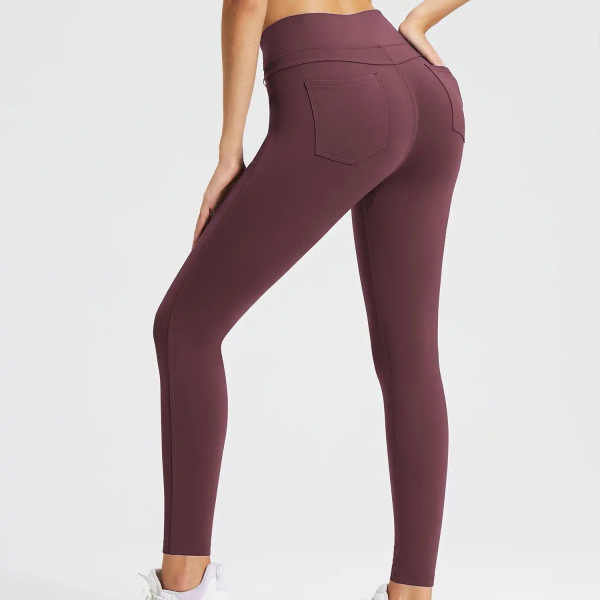
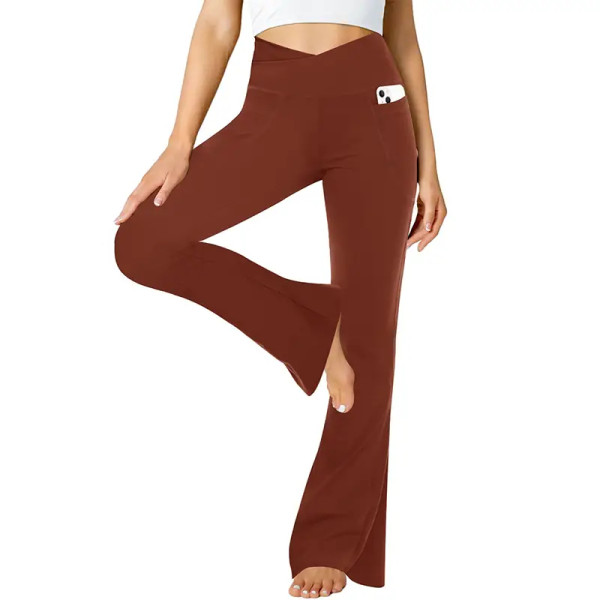
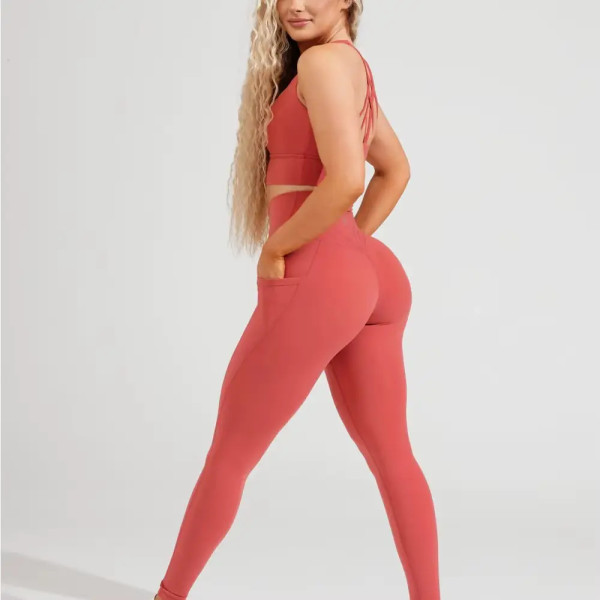
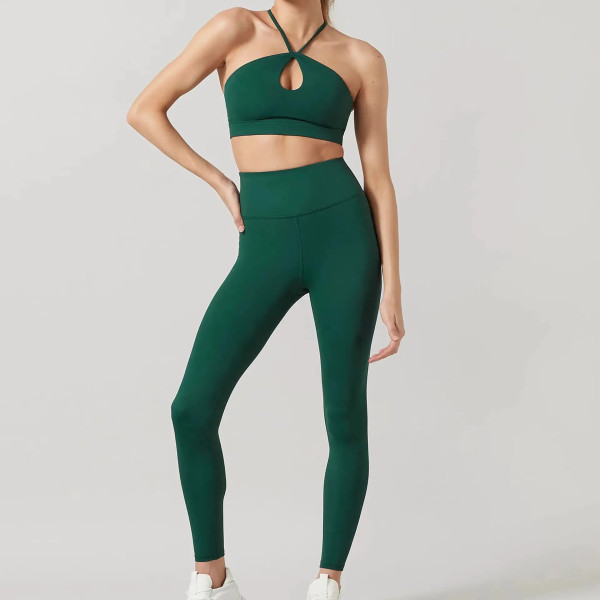
1) Fit-related returns were rising as reorders increased
As the brand expanded inventory and reordered more frequently, fit-related returns climbed. Common feedback included:
• waistband rolling down or digging in
• inconsistent compression between sizes
• slight rise/inseam variation between production runs
Even small inconsistencies were amplified at scale—especially for a brand with loyal repeat customers.
2) Size grading drift created uneven wear experience
The brand's approved sample fit well, but bulk runs showed grading drift:
• mid-sizes felt tighter than intended
• larger sizes lost support or felt less secure
• fit perception varied across colorways due to stretch and finishing differences
This made it harder for the brand to maintain predictable sizing and reduced customer confidence in reordering.
3) QC standards were not specific enough to prevent repeat issues
Previous QC focused on general workmanship, but lacked execution-ready fit controls:
• unclear tolerance ranges for key points of measurement (POM)
• inconsistent waistband tension control
• limited inline checks tied to the approved sample baseline
The brand needed a repeatable, measurable fit system.