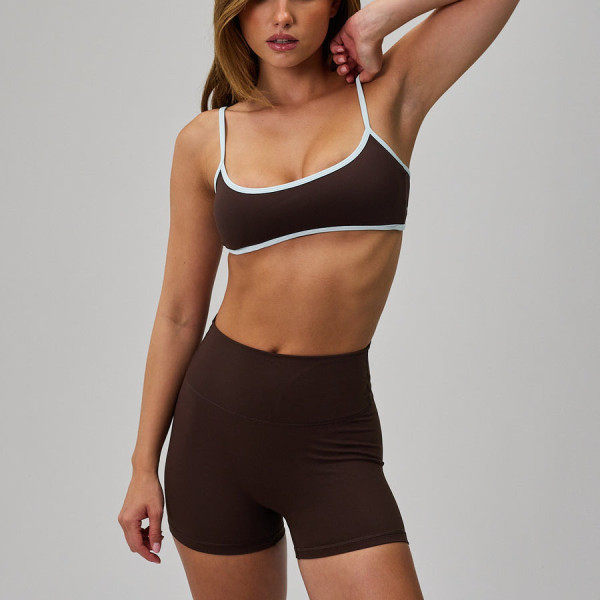
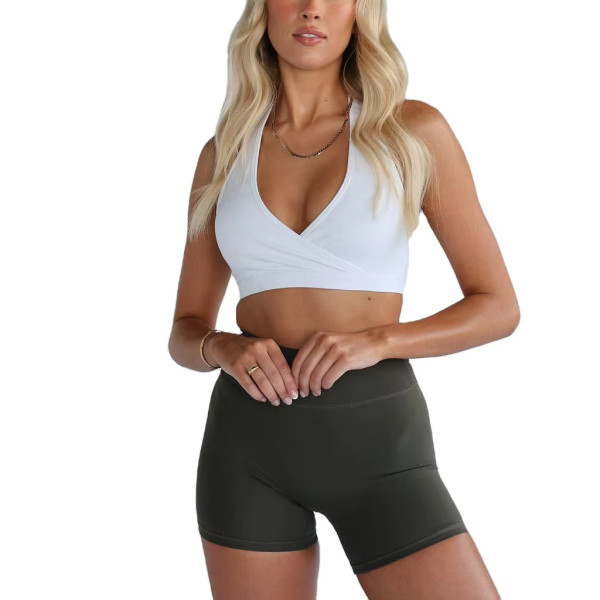
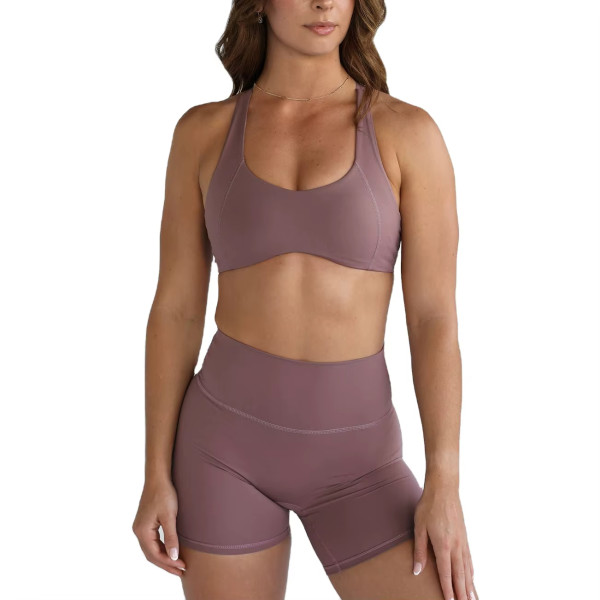
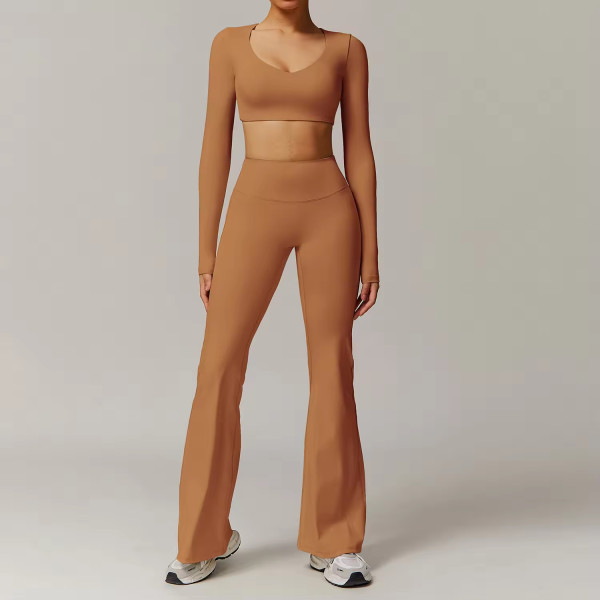
We structured the project into four phases so decisions were fast and outcomes were scalable.
Step 1 — Translate Positioning into an Executable Design Brief
We aligned on:
• target customers and wearing scenarios (studio, commute, weekends, travel)
• style keywords (clean lines, minimalist, urban layering, relaxed but not sloppy)
• price positioning and merchandising requirements (outfit completeness, add-on items)
Outputs: Design brief + moodboard + color/fabric direction.
Step 2 — Build a Capsule Collection Architecture
We proposed a capsule structure designed for retail execution:
• Core Styles: repeatable essentials (sports bras, leggings, base tops)
• Hero Styles: visual anchors for the season (outerwear, wide-leg pants, statement one-pieces)
• Support Styles: increase outfit variety and basket size (cover layers, tanks, skirts, layering pieces)
We also defined silhouette rules (tight/regular/relaxed proportions) to keep the yoga and streetwear lines visually unified.
Outputs: Collection plan (SKU list + silhouette ratio + outfit logic).
Step 3 — Rapid Sampling with a Clear Review Mechanism
To reduce back-and-forth:
• we locked key POM points and intended fit for each style
• standardized design details across the series (necklines, waistbands, seam lines, pocket placement, restrained branding)
• ran a "collection consistency check"after the first sampling round (handfeel, color harmony, silhouette coherence, layering compatibility)
Outputs: Sample set + POM tables + construction notes + outfit suggestions for merchandising review.
Step 4 — Make the Collection Production-Repeatable
Once styles were approved:
• we standardized fabrics/trims where it made sense (supporting "one fabric, multiple styles"to reduce supply risk)
• ensured construction choices were scalable and consistent in bulk
• established a fit reference (fit block thinking) to accelerate future extensions
Outputs: Production-ready package (BOM, trim specs, construction route, QC control points).