What Are the Benefits of Sustainable Activewear? A Comprehensive Guide
- Share
- Issue Time
- Jan 20,2026
Summary
Explore the benefits of sustainable activewear: eco-friendly fabrics, ethical production, and durable high-performance fitness wear.

The fashion industry is undergoing a pivotal transformation to lessen its environmental footprint, with activewear emerging as a field of remarkable innovation. As consumers, our awareness is shifting; we're no longer just asking what we wear, but how it's made and what impact it leaves behind.
Sustainable sportswear and eco-friendly activewear have become more than just buzzwords; they represent a powerful fusion of high-performance functionality, modern style, and profound environmental responsibility. This evolution reflects a collective desire for apparel that supports both our workouts and our values.
Join us as we explore the compelling benefits of choosing sustainable activewear. Discover why this conscious choice is not only smarter for your athletic pursuits but is also a crucial step forward for the well-being of our planet.
Key Takeaways
- Environmental Impact: Sustainable activewear significantly reduces the ecological footprint of your wardrobe. It champions the use of eco-friendly materials like organic cotton and recycled polyester, which require less water and energy to produce and help divert plastic waste from landfills and oceans.
- Enhanced Performance: Don't mistake "eco-friendly" for "low-performance." Sustainable fabrics such as bamboo and specially engineered recycled textiles offer superior breathability, moisture-wicking capabilities, and natural odor resistance, keeping you comfortable and dry during intense workouts.
- Durability and Value: Investing in high-quality, sustainable activewear means choosing garments built to last. Strong natural fibers and robust recycled materials resist pilling and fading, leading to a longer lifespan and reducing the cycle of fast fashion consumption.
- Ethical and Social Responsibility: Choosing sustainable brands often means supporting fair labor practices. These companies are typically more transparent about their supply chains, ensuring that workers receive fair wages and operate in safe conditions, aligning your purchase with positive social impact.
The Environmental Benefits of Sustainable Activewear: A Greener Wardrobe
Choosing sustainable activewear is a direct action you can take to build a more environmentally friendly wardrobe. The benefits ripple outwards, from conserving natural resources to reducing pollution and waste. The very foundation of sustainable activewear lies in its materials and production methods, which are consciously selected to minimize harm and promote a healthier planet. This approach stands in stark contrast to the fast fashion model, which often prioritizes low-cost, high-volume production at a significant environmental cost.
Eco-Friendly Fabrics: A Core Benefit of Sustainable Activewear
The shift toward sustainability in sportswear begins with the very threads of the garments. The choice of fabric is paramount, moving away from petroleum-based virgin synthetics toward materials that are renewable, recycled, or biodegradable. This conscious selection is not just an environmental statement but also a commitment to quality and performance, proving that you don't have to sacrifice one for the other.
Organic Materials for Sustainable Activewear: Cotton and Bamboo
Organic materials represent a return to nature, providing powerful performance benefits without the heavy environmental toll of their conventional counterparts.
-
Organic Cotton: Unlike conventional cotton, which is a notoriously thirsty crop requiring heavy pesticide use, organic cotton is a game-changer for activewear. It is grown without toxic chemicals, which is better for the soil, ecosystems, and your skin. Organic cotton farming can use up to 91% less water than conventional methods and significantly reduces CO₂ emissions. From a performance standpoint, it's naturally soft, breathable, and hypoallergenic, making it ideal for those with sensitive skin. Its porous fibers allow air to circulate, which helps keep you cool and dry. While traditionally known for comfort, modern blends with materials like spandex give organic cotton the stretch and moisture-wicking properties needed for yoga, gym sessions, and light activewear.
-
Bamboo: As a rapidly renewable resource, bamboo is a sustainability superstar. It grows incredibly fast, often requires no irrigation, and thrives without pesticides. When processed into a viscose fabric, it becomes exceptionally soft and smooth. For activewear, bamboo is prized for its natural antibacterial and odor-resistant properties, which means your gear stays fresher for longer, requiring fewer washes. It's also highly breathable, great at wicking moisture away from the skin, and offers UPF protection against harmful UV rays. Its lightweight and flexible nature makes it a top choice for everything from base layers to leggings.

Recycled Polyester: Reducing Waste is a Key Benefit of Sustainable Activewear
Recycled polyester, often called rPET, is a cornerstone of the sustainable activewear movement. It is created by collecting, melting, and re-spinning existing plastics, most commonly post-consumer PET bottles. This process gives a second life to plastic that would otherwise clog landfills or pollute oceans.
The environmental benefits are substantial. Producing rPET generates significantly fewer carbon emissions than its virgin counterpart—some studies suggest a reduction of up to 79%. It also requires far less energy and helps conserve petroleum, a non-renewable resource.
From a performance perspective, rPET loses none of the qualities that make polyester a go-to for sportswear. It is durable, wrinkle-resistant, and excellent at wicking moisture, keeping you dry and comfortable during intense workouts. By turning plastic waste into high-performance gear, recycled polyester proves that sustainability and functionality can go hand in hand.
| Fabric Feature | Organic Cotton | Bamboo Viscose | Recycled Polyester (rPET) |
|---|---|---|---|
| Sustainability | Biodegradable, less water, no pesticides. | Rapidly renewable, low water needs. | Diverts plastic waste, less energy. |
| Comfort | Extremely soft, hypoallergenic. | Silky smooth, soft feel. | Lightweight and smooth. |
| Breathability | High, allows air circulation. | Excellent, keeps skin cool. | Moderate, but engineered for airflow. |
| Moisture-Wicking | Good, especially in blends. | Superior, pulls sweat from skin. | Excellent, keeps you dry. |
| Odor Resistance | Moderate. | Naturally antibacterial and high. | Treated to resist odors. |
| Durability | Strong and resistant to pilling. | Good, but can be less durable than others. | Very high, resists wear and tear. |
Reducing Your Carbon Footprint: A Significant Benefit of Sustainable Activewear Production
The fashion industry as a whole is a major contributor to global carbon emissions, accounting for up to 10% annually according to some reports. Conventional activewear production, heavily reliant on fossil fuel-derived synthetics like virgin polyester and nylon, is a significant part of this problem. The manufacturing of these materials is an energy-intensive process that releases substantial amounts of greenhouse gases.
Sustainable activewear production directly tackles this issue in several ways:
- Material Choice: As discussed, using recycled materials like rPET can cut carbon emissions from fiber production by over 70% compared to virgin polyester. Similarly, organic cotton farming produces around 46% less CO2 than conventional cotton.
- Energy-Efficient Manufacturing: Sustainable brands often prioritize energy efficiency in their factories. This can include using renewable energy sources like solar power and adopting modern, less energy-intensive machinery. These upstream improvements can account for a massive portion of potential emission reductions.
- Reduced Overproduction: The slow fashion ethos, which underpins the sustainable activewear movement, encourages producing smaller, higher-quality batches. This reduces the waste and emissions associated with overproduction, where excess stock is often discarded or sold at a steep discount.
- Localizing Supply Chains: While not always possible, some sustainable brands attempt to shorten their supply chains. This reduces transportation-related emissions, as garments and materials aren't shipped back and forth across the globe multiple times.
By consciously choosing sustainable activewear, consumers support a production model that actively works to lower its carbon footprint, moving the industry toward alignment with global climate goals.
Enhanced Performance and Durability: Practical Benefits of Sustainable Activewear
Choosing sustainable activewear isn't a compromise on performance; in many cases, it's an upgrade. The move towards eco-friendly materials is often coupled with a focus on superior craftsmanship and functional design. This results in gear that not only feels good to wear but also supports your body through its toughest workouts and lasts for years to come.
High Quality and Longevity: Long-Term Benefits of Sustainable Activewear
A core principle of sustainable fashion is moving away from the "take-make-dispose" model of fast fashion. Instead, the focus is on creating high-quality garments that are designed to be durable. This approach has tangible benefits for both the consumer and the planet.
Sustainable activewear is often made from premium materials chosen for their resilience. Organic cotton and hemp fibers, for example, are naturally strong and can withstand frequent washing and intense use without losing their shape or integrity. High-quality recycled polyester is also engineered for durability, resisting the pilling and fading that plague cheaper synthetic fabrics.
This emphasis on longevity means you'll replace your workout clothes less frequently, which reduces overall consumption and waste. While the initial cost of sustainable activewear might be higher than a fast-fashion alternative, its extended lifespan often makes it more cost-effective in the long run. Investing in fewer, better pieces is a smart financial choice and a powerful way to reduce your personal environmental impact.
Improved Comfort and Performance: Direct Benefits of Sustainable Activewear on Your Workouts
The direct benefits of sustainable activewear become most apparent when you're in the middle of a workout. The natural and innovative materials used are often superior to conventional synthetics in terms of comfort and functionality.
Breathability and Moisture-Wicking Properties
Effective temperature regulation is crucial for performance, and this is where many sustainable fabrics excel.
- Breathability: Natural fibers like organic cotton, merino wool, and bamboo have structures that allow for excellent airflow. This natural breathability helps prevent overheating by letting heat and vapor escape, keeping you cool and comfortable. Unlike some synthetic fabrics that can trap heat and feel clammy, these materials work with your body's natural cooling process. Even eco-friendly synthetics like Tencel and recycled polyester blends are often engineered with weaves or mesh panels that enhance ventilation.
- Moisture-Wicking: The ability to pull sweat away from the skin and move it to the fabric's surface to evaporate is key to staying dry and preventing chafing. Bamboo and merino wool are natural powerhouses in this regard, absorbing moisture vapor before it even turns to liquid sweat, which also helps inhibit the growth of odor-causing bacteria. While traditional cotton can absorb and hold moisture, modern organic cotton blends and innovative fabrics like Tencel offer excellent moisture management suitable for a variety of workouts.
Flexibility and Lightweight Design
Your activewear should move with you, not restrict you. Sustainable brands prioritize this by selecting fabrics that offer both flexibility and a lightweight feel.
- Flexibility: Materials like bamboo viscose are naturally stretchy, while recycled polyester is often blended with a small amount of spandex to provide the four-way stretch needed for activities like yoga, pilates, and weightlifting. This ensures a full range of motion without the garment losing its shape.
- Lightweight Feel: Sustainable fabrics are designed to be effective without being bulky. Merino wool provides incredible warmth for its weight, and materials like Tencel and organic cotton blends are soft and light against the skin. This lightweight construction reduces distraction and allows you to focus purely on your performance, whether you're on a long run or flowing through a yoga sequence.

Ethical Practices and Modern Style: The Broader Benefits of Sustainable Activewear
The benefits of sustainable activewear reach far beyond environmental concerns and performance metrics. Choosing these products allows you to make a powerful statement with both your wallet and your wardrobe, supporting a fashion ecosystem that is more equitable, transparent, and stylish. It’s an embrace of a holistic approach where aesthetics, ethics, and sustainability intersect.
Making a Fashion Statement: Aesthetic Benefits of Sustainable Activewear
Gone are the days when eco-friendly clothing was limited to bland, shapeless designs. Today, sustainable activewear is at the forefront of fitness fashion, blending cutting-edge style with conscious production. Brands in this space are proving that you don't have to sacrifice aesthetics to make an ethical choice.
The trend toward sustainability has pushed designers to be more creative and intentional. This results in collections featuring sleek, modern designs, and sophisticated color palettes often derived from natural, low-impact dyes. You can find everything from vibrant, bold-colored sets to chic, minimalist pieces that transition seamlessly from the yoga studio to a casual brunch. This focus on timeless, versatile style encourages a "less is more" mindset, further challenging the fast fashion cycle. Investing in a few well-designed, ethically-made pieces allows you to build a functional and fashionable activewear wardrobe that you can feel good about.
Supporting Ethical Production: Social Benefits of Sustainable Activewear
Perhaps one of the most profound benefits of supporting the sustainable activewear movement is its focus on human dignity. True sustainability encompasses not just environmental health but also social equity. When you purchase from a brand committed to ethical production, you are casting a vote for a fairer and safer fashion industry. This is a key component of sustainability and social responsibility, ensuring that the people who make our clothes are treated with respect.
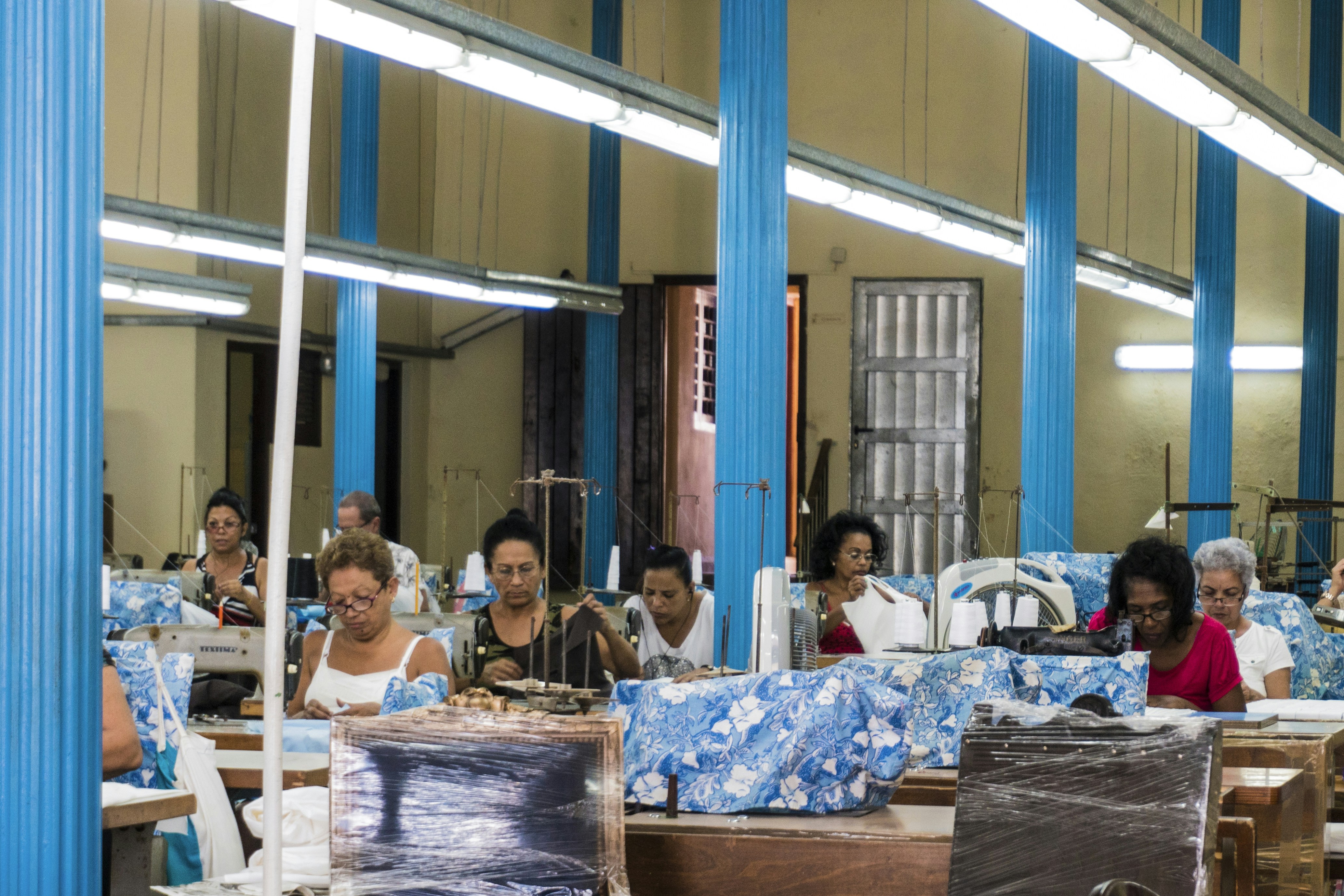
Fair Wages and Safe Working Conditions
The fast fashion industry has long been criticized for exploitative labor practices, including poverty-level wages and hazardous working environments. In contrast, ethical activewear brands commit to upholding fair labor practices. This means ensuring workers receive a living wage, which is enough to cover their basic needs and afford a decent standard of living for their families.
These brands partner with factories that guarantee safe and healthy working conditions, reasonable hours, and respect for workers' rights, often adhering to standards set by organizations like the International Labour Organization (ILO). By prioritizing the well-being of garment workers, who are predominantly women, these brands help combat systemic poverty and gender inequality within the industry.
Transparency in the Supply Chain
A cornerstone of ethical production is transparency. Sustainable brands are increasingly open about their supply chains, allowing consumers to understand where and how their clothes are made. This visibility is crucial for accountability. While many brands may share details about their final-stage factories, true transparency extends to every level, from the farm where cotton is grown to the facility where fabric is dyed.
This commitment to an ethical and transparent supply chain is a fundamental departure from the opaque practices that have historically plagued the fashion world. By choosing brands that openly share this information and seek certifications like Fair Trade or GOTS, consumers can more confidently support companies that align with their values and contribute to a more just and accountable industry.
Brand Spotlight: Discovering the Ethical Benefits of Sustainable Activewear with Downtown Betty Collection and RLX Ralph Lauren
Many brands are leading the charge in combining style, performance, and sustainability. Two notable examples are Downtown Betty and the RLX line by Ralph Lauren, which showcase different but equally valuable approaches to eco-conscious and ethical activewear.
Downtown Betty: This Vancouver-based brand is a champion of natural fibers and local production. Since 2009, Downtown Betty has been creating ethical activewear with a focus on materials like organic cotton and bamboo blends. Their garments, often made of 95% cotton and just 5% Lycra for stretch, are designed to be biodegradable, comfortable, and breathable. By producing locally and hand-cutting items to order, they minimize waste and maintain a small environmental footprint. Downtown Betty exemplifies a grassroots commitment to creating multi-purpose clothing that is better for both your skin and the planet.
RLX Ralph Lauren: As a major global brand, Ralph Lauren is leveraging its scale to drive significant sustainability initiatives through its "Design the Change" strategy. The company has set ambitious goals, including using 100% sustainably sourced key materials by 2025 and achieving net-zero greenhouse gas emissions by 2040. With its RLX performance line, the focus is on innovation, such as developing products with plant-based materials and investing in scalable recycling technologies. Ralph Lauren is also committed to social responsibility, taking steps to ensure gender parity in leadership and supporting programs to decarbonize its supply chain. Their approach demonstrates how large corporations can steer the industry toward a more sustainable and equitable future.
Frequently Asked Questions (FAQ)
1. Is sustainable activewear as durable as conventional activewear? Yes, absolutely. Sustainable activewear is specifically designed for longevity to combat the wastefulness of fast fashion. Materials like organic cotton fibers, recycled polyester, and merino wool are chosen for their inherent strength and resilience. These fabrics are often more resistant to pilling and wear, ensuring that your investment lasts through many workouts and washes.
2. Does "eco-friendly" mean I have to compromise on performance features like moisture-wicking? Not at all. In fact, many sustainable fabrics offer superior performance. Materials such as bamboo and merino wool are naturally moisture-wicking and breathable, pulling sweat away from your skin to keep you dry and comfortable. Recycled polyester also retains the high-performance, quick-drying qualities of its virgin counterpart, making it ideal for intense exercise.
3. How does choosing sustainable activewear support ethical labor? Sustainable brands typically prioritize ethical production and supply chain transparency. They partner with factories that are certified to provide fair wages, safe working conditions, and reasonable hours. By choosing these brands, you support a system that values human rights and helps lift garment workers, many of whom are women, out of poverty.
4. Is sustainable activewear more expensive? While the initial price point for sustainable activewear can sometimes be higher, it often provides better long-term value. Because the garments are made with higher-quality, durable materials, they last much longer than cheap, fast-fashion alternatives. This means you buy fewer items over time, which saves money and reduces overall consumption and waste.
Conclusion
Choosing sustainable activewear is more than a simple purchase; it's an investment in a healthier future for both yourself and the planet. It means backing products crafted from renewable resources and through sustainable methods, which actively works to reduce waste and conserve precious resources.
The benefits of sustainable activewear extend far beyond just its positive environmental impact. They weave together enhanced performance and superior durability with a deep commitment to ethical production and modern, versatile style. By opting for gear made from materials like organic cotton, bamboo, and recycled polyester, you're choosing breathable, comfortable, and long-lasting apparel that supports your active lifestyle.
By making the conscious choice to support sustainable activewear, you are embracing the future of fashion. It is a future that refuses to compromise, one that champions the well-being of the people who make our clothes and the planet we all share. We encourage you to share this guide and join the movement toward a more mindful and responsible wardrobe.