Starting a Successful Leggings Business: A Guide for Partnering with Custom Leggings Manufacturers
- Share
- Issue Time
- Nov 8,2025
Summary
Launch a successful leggings brand by partnering with custom manufacturers. This guide covers market trends, niche definition, and actionable steps for scaling your activewear business.
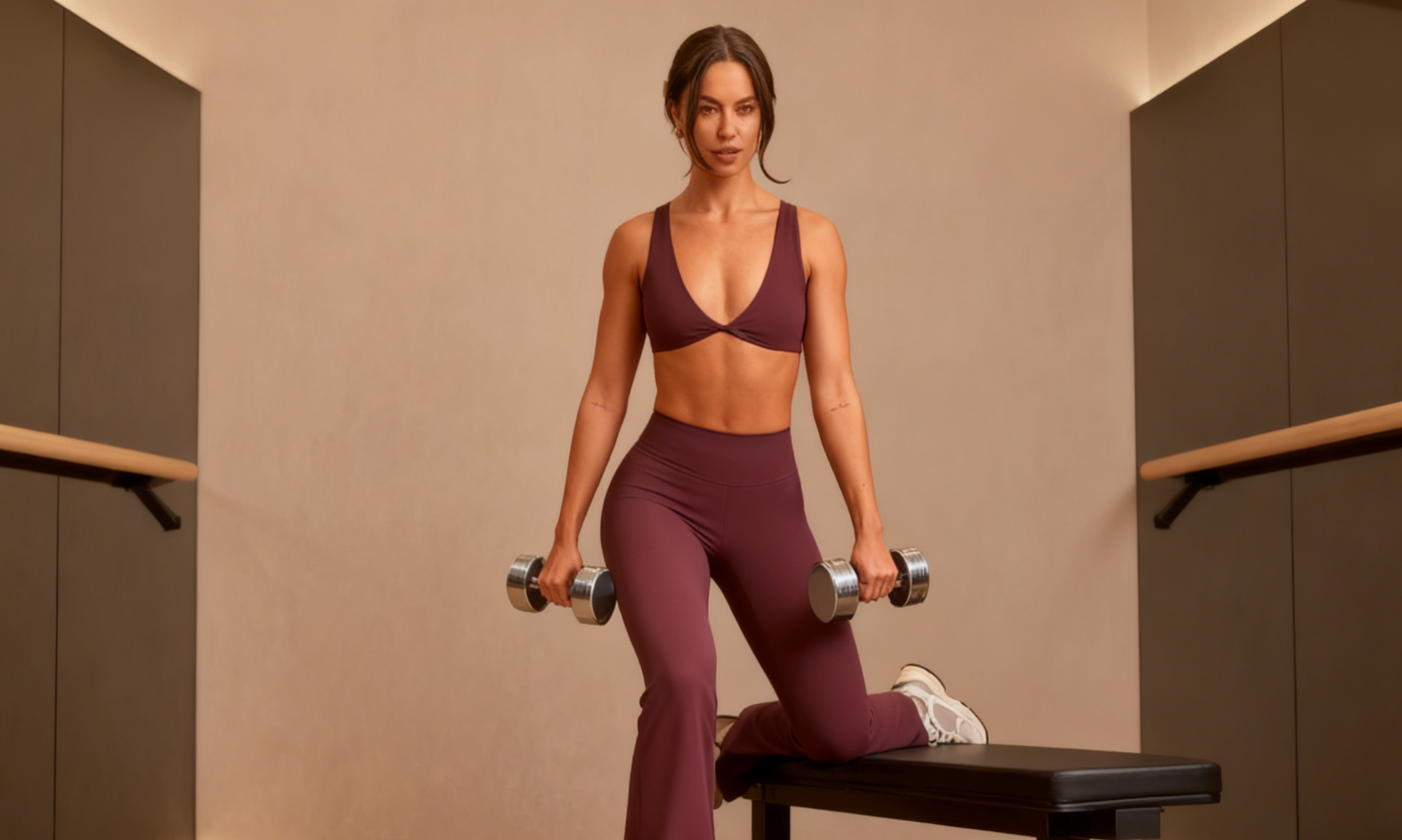
Leggings have evolved from simple athletic wear into a foundational wardrobe staple, embraced by women across all age groups for a multitude of occasions. From the office and the gym to casual outings, social gatherings, and relaxing at home, their versatility is unmatched. The global leggings market was valued at USD 45.3 billion in 2023 and is projected to grow, showcasing the immense potential for new brands. This guide will walk you through the essential steps to launch and scale your own leggings business by partnering with the right apparel experts.
Embarking on a successful leggings venture, especially in a competitive market, demands a blend of perseverance, passion, and dedication. Global fashion faces economic uncertainties and dynamic shifts in consumer behavior, but finding growth is possible by navigating this complex maze. With the right strategies, you can carve out a thriving niche. Success hinges on a deep understanding of market trends, a solid business plan, and most importantly, a strong partnership with a manufacturer who can bring your vision to life.
This comprehensive outline focuses on how to leverage a strategic partnership with a Custom Legging Manufacturer to build a brand that resonates with your target audience and stands out from the crowd. By focusing on quality, innovation, and brand identity, you can build a loyal customer base and achieve sustained success.
Laying the Foundation: Market Research and Defining Your Niche with a Custom Leggings Manufacturer
Uncovering Market Gaps and Trends
The first step in building a successful leggings brand is a deep and thorough understanding of the market landscape. This involves identifying not just what is currently popular, but also where the opportunities for innovation and differentiation lie.
Identify popular segments like women's apparel and teen markets, with a special focus on black casual leggings.
Women's apparel is the dominant segment in the leggings market, driven by the enduring popularity of athleisure and the demand for comfortable, versatile clothing for fitness, fashion, and casual wear. Within this broad category, specific niches offer significant potential. The teen market, for example, is highly influential, with style preferences often revolving around comfort, self-expression, and social media trends. For teens, leggings are a wardrobe staple often paired with hoodies or oversized shirts for a casual look.
Black leggings, in particular, remain a timeless and high-demand item. They are considered a foundational piece suitable for exercise, everyday wear, and even more dressed-up occasions. Market analysis shows consistent search interest for "black yoga pants," especially during seasonal peaks in the fall and spring. Furthermore, there is growing interest in variations like high-waisted and seamless black leggings. Recognizing the steady demand in these core segments provides a stable foundation for a new brand.
Conduct thorough market research to pinpoint emerging trends and untapped opportunities, informing your custom leggings manufacturer about desired product lines.
Effective market research goes beyond a surface-level look at popular items. It requires a multi-layered process of gathering and analyzing data to uncover market "white space" and emerging trends. This involves combining primary research, such as customer surveys and focus groups, with secondary research, like analyzing industry reports and social media trends.
Key trends shaping the 2025 leggings market include:
- Sustainability: Consumers are increasingly demanding eco-friendly products. There's a growing preference for leggings made from recycled polyester, organic cotton, and other sustainable materials. Brands that transparently communicate their ethical production practices are more likely to build a loyal customer base.
- Technological Integration: Smart fabrics are no longer science fiction. Leggings with integrated tech like biomonitoring sensors, temperature-regulating materials, and moisture-sensing capabilities are emerging as a new frontier.
- Advanced Fabrics and Textures: While classic cotton and spandex blends remain popular, consumers are also drawn to new textures like ribbed fabrics, woven patterns, and even faux leather and shiny finishes for a more fashion-forward look.
- Style Innovations: Flared leggings (or "yoga pants") and styles with split hems are making a major comeback. Other details like stirrups, elevated fabrics like cashmere, and straight-leg cuts are gaining traction for more polished, versatile looks.
By identifying these trends, you can find untapped opportunities. For instance, while major brands dominate the market, there is still significant room for niche players who target specific consumer needs, such as inclusive sizing or specialized performance gear. Sharing these detailed insights with your manufacturing partner is crucial for developing a product line that is both innovative and commercially viable.
Understanding Your Target Audience and Their Preferences
Once you have a grasp of the market, the next step is to zoom in on your specific customer. A deep understanding of your target audience—their needs, desires, and pain points—is what allows you to create products that truly resonate.
Research specific preferences regarding fit, design, fabric, durability, elasticity, and comfort to guide your custom leggings manufacturer in product development.
Consumer preferences for leggings are highly specific. Research consistently shows that comfort, fit, and durability are paramount. When developing your product, consider the following attributes:
- Fit and Comfort: This is non-negotiable. Customers look for a high-waisted fit, tummy control features, and a "buttery soft" feel. The waistband should be comfortable and stay in place without rolling down during activities.
- Fabric and Performance: The choice of material depends on the intended use. For athletic wear, fabrics should be moisture-wicking, breathable, and offer good compression. For casual wear, materials like cotton blends offer breathability and a cozy feel. The fabric must also be opaque—the "squat test" is a real concern for consumers.
- Durability and Quality: Consumers are willing to invest in high-quality leggings that retain their shape and color after washing. Pilling is a common complaint with lower-quality fabrics, so selecting durable materials is key.
- Design and Style: Beyond basic black, consider offering a variety of colors, prints, and design features like pockets, which are highly valued for their functionality. Trends like bold patterns, flared legs, and unique textures can also attract different customer segments.
Gathering this information can be done through online surveys, analyzing competitor reviews, and social media listening. This data-driven approach will provide your manufacturer with a clear blueprint for creating leggings that your customers will love.
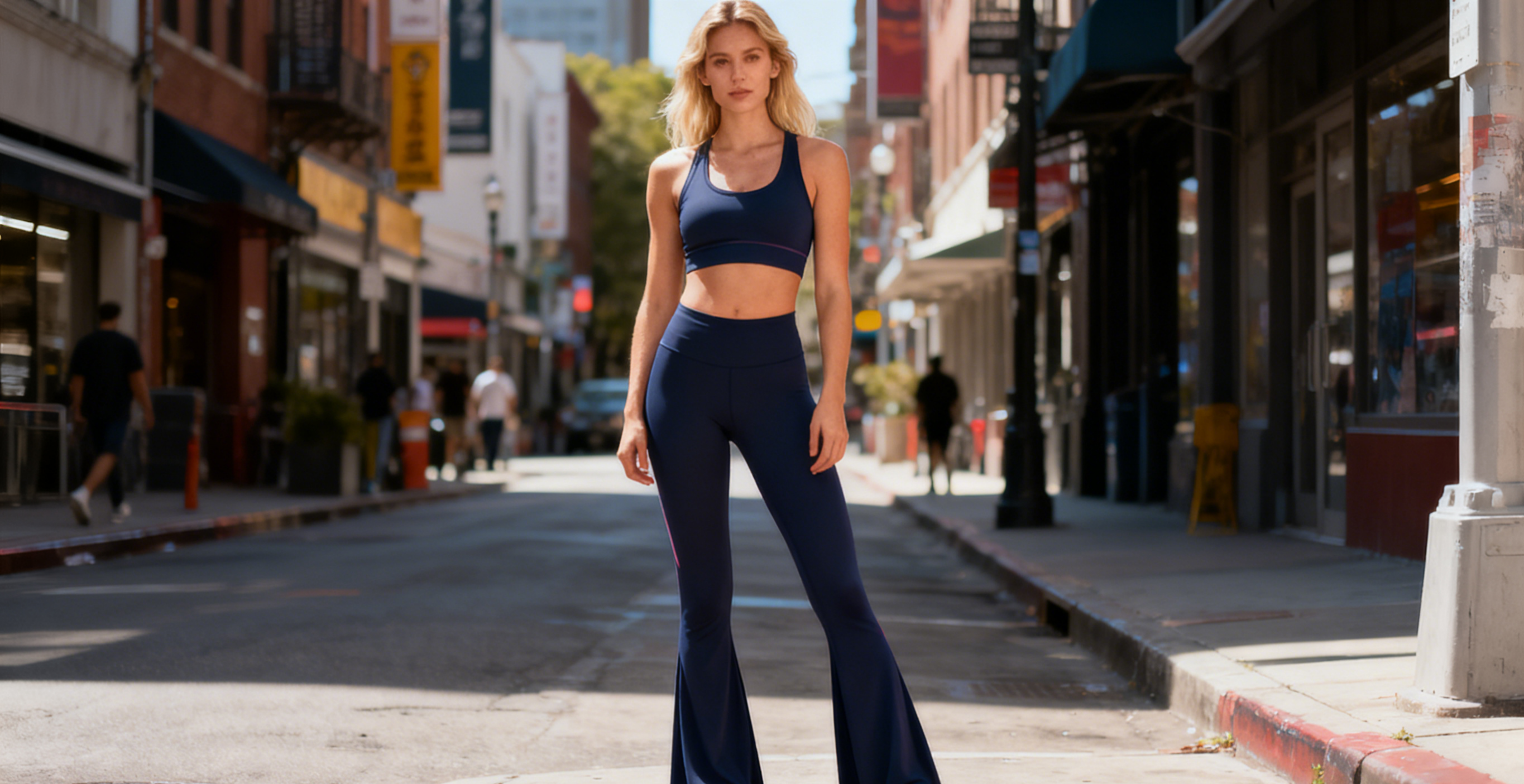
Consider offering bespoke printing services or collaborating with seasoned fashion designers to create unique and high-quality collections with your custom leggings manufacturer.
To stand out in a crowded market, your brand needs a unique selling proposition (USP). Offering customization or exclusive designs can be a powerful differentiator.
- Bespoke Printing Services: Partnering with a manufacturer that offers custom printing allows you to create truly original products. You could offer leggings with unique patterns, artistic designs, or even allow customers to submit their own artwork. This caters to a consumer desire for personalization and self-expression.
- Collaborations with Designers: Working with fashion designers can elevate your brand and bring a high level of artistry and credibility to your collections. A designer can help you create a cohesive and fashion-forward line that captures current trends while maintaining a unique brand identity. This strategy can attract fashion-conscious consumers who are looking for something beyond standard activewear.
By focusing on unique designs, you cater to the consumer's desire for statement pieces. These creative collaborations, guided by your market research and executed by a capable manufacturing partner, are what will set your leggings brand apart.
Building a Robust Business Plan for Your Leggings Brand and Engaging a Custom Leggings Manufacturer
With your market research complete and niche defined, the next critical step is to translate your vision into a structured, actionable document: your business plan. This document is more than a formality; it is the strategic roadmap that will guide your launch, operations, and growth. For an e-commerce business, a business plan helps you maintain focus, shape day-to-day operations, and validate your idea before you invest heavily.
Crafting a Comprehensive Business Blueprint
Develop a detailed business plan to secure potential funding and articulate how your brand, in collaboration with a custom leggings manufacturer, will meet customer needs and overcome industry challenges.
A well-crafted business plan is your most powerful tool for attracting investors and securing loans. It demonstrates that you have a thorough understanding of the market, a clear strategy for success, and a realistic grasp of the financial requirements. Whether you're seeking funding from angel investors, venture capitalists, bank loans, or crowdfunding platforms, a detailed plan instills confidence and shows that you are prepared for the challenges ahead.
This document should serve as a comprehensive guide that outlines how your brand, working closely with a skilled manufacturing partner, will deliver superior products that solve customer pain points. It should also detail how you plan to navigate industry obstacles like intense competition and supply chain disruptions. Think of it as the blueprint for your business—it helps avoid costly mistakes and sets realistic, achievable goals.
Key Components of Your Business Plan
A strong business plan does more than just outline your idea; it provides a structured strategy for growth and guides every decision from branding to budgeting. Your plan should be written in clear, simple language and be as concise as possible while covering all necessary points.
Here are the essential sections to include:
- Executive Summary: This is a concise overview of your entire plan. It should summarize your mission, product offerings, target market, competitive advantages, and financial highlights. Think of it as your elevator pitch on paper.
- Company Introduction/Description: Clearly state your brand name, mission statement, and core values. This section explains what your company does, who you serve, and what makes you unique.
- Market Analysis: This section demonstrates your understanding of the industry landscape. Include details about your target audience (demographics, buying behaviors), market size, industry trends, and a thorough competitor analysis (identifying their strengths and weaknesses).
- Management & Organization: Outline your business structure (e.g., LLC, sole proprietorship) and the key members of your team. Describe their roles, responsibilities, and the expertise they bring to the venture.
- Products (developed with your custom leggings manufacturer) and Services: Detail the products you plan to sell. Describe your initial collection, including styles, fabrics, and unique features developed in partnership with your manufacturer. Include your pricing strategy, ensuring it aligns with your target market's purchasing power and your brand's positioning.
- Sales & Marketing Strategy: Explain how you will reach and attract customers. This should cover your branding, online marketing channels (social media, SEO, email), and any offline efforts you plan to undertake.
- Operations Strategy: Detail the practical aspects of running your business. This includes your supply chain, inventory management (e.g., dropshipping or holding stock), order fulfillment, shipping logistics, and customer service procedures.
- Financial Planning: This is a critical component for investors. Include a detailed budget with startup costs, projected revenue, profit and loss statements, cash flow statements, and a break-even analysis. Online clothing stores can have startup costs ranging from $15,000 to $75,000, so accurate financial projections are essential.
- Risk Analysis: Identify potential threats to your business, such as market saturation, supply chain disruptions, or changing consumer trends, and outline your contingency plans.
- Implementation Plan: Provide a timeline with key milestones for launching and growing your business, including product development, marketing campaigns, and sales targets.
- KPI Analysis: Define the Key Performance Indicators (KPIs) you will track to measure success. For an e-commerce brand, these might include customer acquisition cost (CAC), customer lifetime value (CLV), conversion rate, and inventory turnover.
- Exit Strategy: While it may seem premature, outlining a potential exit strategy (e.g., acquisition, IPO) shows foresight and strategic long-term thinking to investors.
By meticulously detailing each of these components, you create a robust strategic document that not only secures funding but also guides your brand toward sustainable success in the competitive fashion industry.
Legal Framework and Choosing the Right Custom Leggings Manufacturer
With a solid business plan in hand, the next phase involves establishing the legal and operational backbone of your company. This means formalizing your brand as a legal entity and, most critically, selecting a manufacturing partner who can consistently deliver a high-quality product.
Registering Your Leggings Brand as a Legal Entity
Establish your brand as a legitimate business by registering it. This enhances customer trust and ensures compliance with local and federal regulations.
Registering your business is a non-negotiable step that transforms your idea into a legitimate enterprise. It's the official process of establishing your company with the government, ensuring you comply with local, state, and federal laws. This legal recognition is crucial for several reasons: it builds credibility with customers, suppliers, and potential investors; it simplifies processes like opening a business bank account; and it is necessary for tax compliance. A formally registered business appears more established and trustworthy, which can significantly boost customer confidence and conversion rates.
Explore legal structures such as Sole Proprietorship, Corporation, Limited Liability Company (LLC), or Partnership, understanding the implications of each.
Choosing the right business structure is a foundational decision that impacts your taxes, personal liability, and administrative requirements. The most common structures for a small business are:
- Sole Proprietorship: The simplest structure to set up, where you and your business are considered a single entity. While easy to manage, it offers no personal liability protection, meaning your personal assets could be at risk if the business incurs debt or is sued.
- Partnership: Similar to a sole proprietorship but with two or more owners. It also lacks personal liability protection for the partners.
- Corporation (C Corp or S Corp): A more complex legal entity that is separate from its owners. It provides strong liability protection but comes with more stringent record-keeping and tax regulations.
- Limited Liability Company (LLC): A popular hybrid structure that combines the liability protection of a corporation with the tax benefits and flexibility of a sole proprietorship or partnership.
Note that LLCs offer additional investor protection and operational flexibility.
For most e-commerce startups, including a leggings brand, forming an LLC is often the most advantageous choice. The primary benefit is limited liability protection, which separates your personal assets (like your home and savings) from your business debts and lawsuits. This legal barrier provides crucial peace of mind for entrepreneurs.
Furthermore, LLCs offer significant flexibility. You can choose to be taxed as a sole proprietorship (pass-through taxation, avoiding the "double taxation" of corporations) or elect to be taxed as an S-Corp to potentially reduce self-employment taxes. This structure also enhances your brand's credibility, making it easier to secure funding, open business bank accounts, and establish trust with partners.

Obtaining Permits and Licenses
Secure necessary business permits and licenses to build credibility and gain trademark protection against design replication or brand misuse. Consult local business advisory offices or online resources for guidance.
Once your business is registered, you must obtain the necessary permits and licenses to operate legally. The specific requirements vary by state and city, but almost every business needs some form of license to operate. Common permits for an online clothing store in the USA include:
- General Business License: Allows you to operate legally within your city or state.
- Seller's Permit (or Sales Tax Permit): Required in most states to sell products and collect sales tax from customers.
- Home Occupation Permit: If you're running the business from your home, this permit ensures you comply with local zoning laws.
- Employer Identification Number (EIN): A federal tax ID number required if you plan to hire employees or structure your business as a corporation or partnership.
To protect your brand identity, it's crucial to register your trademark with the U.S. Patent and Trademark Office (USPTO). This can include your brand name, logo, and unique slogans. Trademark protection prevents others from using confusingly similar marks and is essential for defending your brand against replication. Note that the actual design of a garment generally cannot be trademarked, as that falls under copyright or patent law, but brand identifiers like logos on tags and labels can be protected.
Selecting Your Ideal Custom Leggings Manufacturer
Your manufacturer is arguably your most important partner. Their expertise, quality, and reliability will directly impact your product and brand reputation.
Carefully choose a reliable custom leggings manufacturer. Many renowned brands collaborate with custom apparel manufacturers to produce their lines.
Vetting a manufacturer is a critical process that should not be rushed. A reliable partner ensures high product quality, ethical production, and on-time deliveries. Key factors to consider include their experience in activewear, production capabilities (like flatlock stitching and seamless knitting), and certifications (such as WRAP or OEKO-TEX for ethical and safe production). Always start by requesting samples to assess fabric quality, stretch, opacity, and overall workmanship before committing to a large order.
Consider both local and international options, such as Bloomto, known for their extensive experience and low Minimum Order Quantities (MOQ).
You have two main options for sourcing: local (domestic) or international (overseas) manufacturing.
- Local Manufacturers (USA): Working with a domestic manufacturer offers benefits like faster turnaround times, easier communication due to shared language and time zones, and better quality control. It also supports the local economy and often aligns with sustainable practices. However, production costs can be significantly higher.
- International Manufacturers (Overseas): Overseas factories in countries like China or Vietnam often provide much lower production costs, especially for high-volume orders. The main challenges include longer lead times, potential communication barriers, and difficulties in overseeing quality control.
For startups, finding a manufacturer with a low Minimum Order Quantity (MOQ) is essential. A low MOQ (e.g., 50-100 pieces per style) allows you to test the market with a small batch without incurring massive financial risk. Companies like Bloomto specialize in serving startups by offering low MOQs, comprehensive services like private labeling, and experience working with over 8,500 brands worldwide. When vetting any potential partner, be sure to ask for references, review their past work, and ensure their capabilities align with your brand's vision and quality standards.
Marketing and Online Presence: Showcasing Your Custom Leggings Manufacturer's Products
Once your legal framework is established and you've partnered with a manufacturer, the focus shifts to bringing your product to market. An effective marketing strategy and a powerful online presence are crucial for reaching your target audience and driving sales. In today's digital-first world, your marketing efforts will define your brand's visibility and success.
Implementing a Go-to Product Marketing Plan
A multi-faceted marketing plan is essential for building brand awareness and connecting with potential customers. Your approach should be authentic, creative, and tailored to the platforms where your audience spends their time.
Act as a 'walking billboard' by personally wearing your products. This authentic display often attracts consumers more effectively than traditional advertising, highlighting the quality produced by your custom leggings manufacturer.
One of the most genuine and effective marketing tactics is to become a living embodiment of your brand. As the founder, your passion is contagious. Wearing your leggings in your daily life—to the gym, while running errands, or in social settings—provides authentic social proof. When people compliment your leggings and you can proudly say, "Thanks, I designed them!" it creates a personal connection that traditional advertising can't replicate. This approach not only showcases the product in a real-world context but also demonstrates your confidence in the quality and style crafted by your manufacturing partner.
Leverage social media marketing to boost brand awareness and connect with your target audience.
Social media is an indispensable tool for fashion brands. It allows you to build a community, engage directly with customers, and showcase your products visually. Platforms like Instagram, TikTok, and Pinterest are particularly powerful for apparel.
- Instagram: Ideal for high-quality visuals. Use compelling photos, create shoppable posts, and leverage Reels and Stories to share behind-the-scenes content, styling tips, and customer features.
- TikTok: Perfect for reaching a younger audience (especially Gen Z) through engaging, short-form videos. Participate in trending challenges, use popular sounds, and create content that is authentic and entertaining.
- Pinterest: A visual discovery engine where users look for inspiration. Create boards that reflect your brand's aesthetic, including style guides, workout ideas, and product showcases.
Consistency is key. Develop a content calendar to post regularly and maintain an active, engaging presence that reflects your brand's personality.
Explore various marketing avenues, including paid marketing (Google and social media ads), organic marketing, website marketing, SEO strategies, and influencer collaborations.
A well-rounded marketing plan integrates multiple channels to maximize reach and impact. While organic efforts build long-term value, paid strategies can deliver more immediate results.
- Paid Marketing: This involves paying for ad placements on platforms like Google and social media. Social media ads allow for highly specific targeting based on demographics and interests, while Google Ads can capture customers actively searching for products like yours. Retargeting ads, which target users who have already visited your site, are also highly effective.
- Organic Marketing: This strategy focuses on driving traffic naturally over time and includes SEO, content marketing, and non-paid social media engagement. Building organic visibility is a long-term investment that builds trust and credibility.
- SEO Strategies: Search Engine Optimization (SEO) is crucial for making your website discoverable. Conduct thorough keyword research to find what your customers are searching for (e.g., "sustainable yoga leggings," "high-waisted black leggings"). Optimize your product pages, create relevant blog content, and build quality backlinks from reputable fitness or fashion sites to improve your Google ranking.
- Influencer Collaborations: Partnering with influencers is a powerful way to reach a targeted audience. Identify micro-influencers whose followers align with your target customer and offer free products in exchange for posts. These collaborations provide authentic endorsements that build brand credibility and drive sales.
Infuse creativity into your marketing efforts to capture attention and leave a lasting impression of the unique designs crafted by your custom leggings manufacturer.
In a crowded market, creativity is what makes a brand memorable. Go beyond standard product shots and find unique ways to tell your brand's story. This could involve creating visually stunning campaigns, running engaging contests or giveaways on social media, or sharing the story behind your designs and manufacturing process. The goal is to create an emotional connection with your audience and make them feel like they are part of a community, not just customers.
Establishing a Powerful Online Presence for Your Custom Leggings Manufacturer's Offerings
In an era where the vast majority of consumers shop online, your website is your most important asset. It's your digital storefront, your brand headquarters, and a critical tool for building customer relationships.
Create a professional brand website, recognizing that over 80% of consumers prefer online shopping.
Statistics show that online shopping is not just a trend but the dominant form of retail. In 2025, global e-commerce sales are expected to reach $6.86 trillion, with online sales representing about 22% of total global retail. A professional, well-designed website establishes credibility and trust. In fact, research suggests that 84% of consumers find a business with a website to be more credible than one with only a social media page. Your website is accessible 24/7, allowing you to showcase your products and reach a global audience anytime, anywhere. Without a professional online presence, your business is virtually invisible to a massive pool of potential customers.
Your website should include a homepage, product pages showcasing designs from your custom leggings manufacturer, service pages, customer review sections, support pages, and a blog to offer styling advice and product promotions.
A successful e-commerce site is more than just a product catalog. It needs to be a comprehensive, user-friendly experience that guides the customer from discovery to purchase. Essential pages for your e-commerce website include:
- Homepage: Your digital front door. It should feature compelling lifestyle imagery, highlight current promotions, and provide clear navigation to product categories.
- Product Pages: These are crucial for conversion. Include high-quality images from multiple angles, detailed product descriptions, sizing guides, information on fabric and care, and prominently displayed pricing with an "Add to Cart" button.
- About Us Page: Tell your brand's story. Share your mission, your values, and what makes your leggings unique. This helps create an emotional connection with customers.
- Customer Review Sections: Social proof is incredibly powerful. Displaying customer reviews and star ratings directly on product pages can significantly increase trust and conversions. You can also create a dedicated testimonials page to showcase your happiest customers.
- Help/Contact Us/Support Pages: Make it easy for customers to get help. Include an FAQ section, return policy information, and clear contact details.
- Blog: A blog is an excellent tool for SEO and content marketing. You can publish posts offering styling advice, workout tips, information about your brand's sustainability efforts, and new product announcements. This positions your brand as an authority in the space and drives organic traffic to your site.
By building a comprehensive and professional website, you create a powerful platform to showcase the incredible products your custom leggings manufacturer helps you create, building a brand that customers will trust and return to again and again.
Key Takeaways
Starting and scaling a successful leggings business is a multifaceted journey that demands strategic planning from conception to customer delivery. By adhering to the principles of Expertise, Authoritativeness, and Trustworthiness (E-A-T), you can build a brand that not only survives but thrives in a competitive market. Here are the most critical takeaways from this guide to help you navigate the process.
-
Prioritize In-Depth Market and Audience Research: The foundation of a successful brand is a profound understanding of the market and your target customer. Don't just follow trends; uncover market gaps and emerging niches. Research indicates the activewear leggings market is expected to reach nearly $49.1 billion by 2030, driven by the enduring popularity of athleisure, sustainability, and technological innovation. Delve deep into consumer preferences for fit, fabric, durability, and style. Understanding whether your audience values compression for high-intensity workouts or a "buttery soft" feel for lounging is crucial. This data-driven approach allows you to work with your custom leggings manufacturer to create products that people actually want to buy, rather than relying on assumptions.
-
Develop a Meticulous and Comprehensive Business Plan: A business plan is not just a document for securing funding; it is your strategic roadmap. Entrepreneurs who create a formal business plan are 16% more likely to achieve viability. Your plan should be exhaustive, covering everything from your executive summary and market analysis to your operational strategy and detailed financial projections. Key financial metrics to forecast include startup costs (which can range from $15,000 to $75,000 for an online store), gross margin targets (aiming for 50-65%), and customer acquisition costs. This document forces you to think through every aspect of your business, identify potential risks, and articulate a clear path to profitability, making you more prepared for challenges and attractive to investors.
-
Establish a Solid Legal and Operational Framework: Legitimacy is key to building trust and ensuring long-term success. Registering your business as a legal entity, preferably an LLC, is crucial for protecting your personal assets from business liabilities. An LLC offers a blend of liability protection and tax flexibility that is ideal for most e-commerce startups. Beyond registration, you must obtain all necessary licenses and permits, such as a general business license, a seller's permit for collecting sales tax, and potentially a home occupation permit if you operate from a residence. Concurrently, securing trademark protection for your brand name and logo with the USPTO is vital to safeguard your brand identity from infringement.
-
Choose Your Custom Leggings Manufacturer Wisely: Your manufacturer is your most critical partner. The quality of your product—from the stitching to the fabric's opacity—is in their hands. When vetting a manufacturer, evaluate their experience with activewear, check their certifications (like WRAP or OEKO-TEX), and always order samples. Decide between local and overseas production based on your priorities; local offers speed and easier communication, while overseas often provides lower costs. For startups, finding a partner with a low Minimum Order Quantity (MOQ) is paramount to minimize initial investment and risk. Building a strong, transparent relationship with a reliable manufacturer is fundamental to consistently delivering a high-quality product.
-
Implement a Creative and Multi-Channel Marketing Strategy: Even the best product won't sell if no one knows about it. A dynamic marketing strategy is essential. Leverage the power of social media platforms like Instagram and TikTok, which are central to fashion discovery. But don't stop there. A balanced approach combining paid ads for immediate visibility and organic marketing (like SEO and content creation) for long-term growth is most effective. SEO is particularly important for driving qualified traffic; focus on long-tail keywords like "sustainable high-waisted leggings" to attract customers with specific intent. Collaborating with influencers, even micro-influencers with highly engaged niches, can provide authentic social proof and significantly expand your reach.
-
Build a Professional and Trustworthy Online Presence: In an age where a significant percentage of retail purchases are expected to happen online, your website is your digital flagship. A professional, well-designed website is a non-negotiable tool for establishing credibility; reports show that 84% of consumers find a business with a website more trustworthy than one with only a social media presence. Your site must include essential pages like a compelling homepage, detailed product pages, customer reviews, a clear return policy, and a blog. A blog not only improves SEO but also establishes your brand as an authority by providing valuable content like styling tips or fitness advice. Displaying authentic customer reviews and user-generated content is one of the most effective ways to build trust and encourage purchases.
By integrating these key takeaways into your strategy, you’ll be well-equipped to build a leggings brand that is not only profitable but also resilient and beloved by its customers.
Frequently Asked Questions (FAQ)
1. How much does it cost to start an online leggings business?
The cost to start an online leggings business can vary significantly based on your business model, inventory size, and marketing budget. Startup costs for an online clothing store can range from as little as $500 for a small, dropshipping model to over $75,000 for a brand holding a large inventory. Key expenses to budget for include:
- Business Registration & Legal Fees: ($100 - $1,000) for LLC formation and licenses.
- Website Development: ($500 - $10,000+) depending on whether you use a template-based platform like Shopify or hire a custom developer.
- Initial Inventory: This is the largest variable. A small batch from a low-MOQ manufacturer might cost $2,000 - $5,000, while larger orders can be tens of thousands.
- Branding & Design: ($500 - $5,000) for logo design, brand guidelines, and packaging.
- Marketing & Advertising: A recommended starting budget is at least $1,000 - $3,000 for initial campaigns to drive traffic. For a new brand, a realistic initial investment is typically between $15,000 and $30,000 to cover product development, initial inventory, website setup, and initial marketing pushes.
2. What are the most profitable types of leggings?
Profitability in the leggings market often comes from targeting specific, high-demand niches. While classic black leggings are a consistent seller, higher profits can be found in specialized categories:
- High-Performance Activewear: Leggings designed for specific sports (yoga, running, weightlifting) with technical features like compression, moisture-wicking, and durable, four-way stretch fabric command higher price points.
- Sustainable and Eco-Friendly Leggings: As consumers become more environmentally conscious, leggings made from recycled or organic materials are a fast-growing and premium market segment. This appeals to consumers willing to pay more for ethical products.
- Inclusive Sizing: Brands that offer a wide range of sizes, especially in the plus-size category, can tap into an underserved yet substantial market. Data from Amazon shows that plus-size leggings often dominate in both search volume and sales.
- Fashion-Forward and Niche Styles: Leggings with unique design elements like flared hems, split ankles, bold prints, or luxurious textures (e.g., faux leather) appeal to fashion-conscious consumers looking for statement pieces.
3. How do I find a good custom leggings manufacturer?
Finding a reliable manufacturer is crucial. The process involves research, vetting, and clear communication.
- Start with Online Directories: Platforms like Alibaba, Maker's Row, and ThomasNet list thousands of manufacturers. You can filter by location, specialization, and certifications.
- Attend Industry Trade Shows: Events like MAGIC and Texworld USA allow you to meet manufacturers in person and see their product quality firsthand.
- Vet Thoroughly: Once you have a shortlist, conduct a deep dive. Check their years in business, past clients, and online reviews. Request certifications like WRAP, BSCI, or OEKO-TEX to ensure ethical and safe production.
- Request Samples: Never commit to a production run without first ordering samples. Test the fabric for stretch, opacity (the "squat test"), and feel. Check the stitching quality and overall construction.
- Evaluate Communication: A good partner will be responsive, clear, and professional. Poor communication during the quoting and sampling phase is a major red flag.
- Inquire about MOQ: For startups, a low Minimum Order Quantity (50-200 units) is essential to minimize risk. Be upfront about your needs.
4. What are the best materials for high-quality leggings?
The best material depends on the legging's intended use. High-quality leggings are typically made from a blend of fibers to optimize for comfort, performance, and durability.
- Nylon and Spandex (Elastane) Blend: This is the gold standard for activewear. Nylon is durable, lightweight, and moisture-wicking, while spandex provides superior stretch and shape retention. A higher percentage of spandex (15-25%) results in better compression and a more "sculpting" fit.
- Polyester and Spandex Blend: Polyester is also durable, wrinkle-resistant, and excellent at wicking moisture. It is often a more cost-effective alternative to nylon and is very popular in athletic leggings.
- Cotton and Spandex Blend: Cotton is highly breathable and soft, making it comfortable for casual wear and lounging. However, it absorbs moisture and dries slowly, so it's less suitable for intense workouts.
- Sustainable Fabrics: Eco-friendly alternatives are gaining popularity. These include recycled polyester (often made from plastic bottles), organic cotton, and innovative bio-based fabrics like Tencel™ or bamboo blends, which are known for their softness and sustainability.
5. How can I legally protect my legging designs?
Protecting your brand and designs requires a multi-pronged legal approach.
- Trademark Your Brand Identity: Your most important protection is a trademark. You should file an application with the U.S. Patent and Trademark Office (USPTO) to register your brand name, logo, and any distinctive slogans. This prevents other companies from using a confusingly similar name or logo, which protects your brand's reputation. Trademarks generally apply to your brand identifiers (like the logo on a tag), not the functional design of the clothing itself. For apparel, you will typically file under Class 25 (clothing, footwear, headgear).
- Copyright for Original Artwork: While you can't copyright the cut of a legging, you can copyright original, creative artwork or textile patterns printed on them. If you create a unique print, registering it with the U.S. Copyright Office can prevent others from copying that specific design.
- Design Patents for Ornamental Designs: In rare cases, a truly unique and non-obvious ornamental design of a product can be protected with a design patent. This is more complex and expensive to obtain than a trademark or copyright but offers strong protection for a product's unique aesthetic appearance. The red soles on Louboutin shoes are a famous example of a design element protected in this way.
Consulting with an intellectual property (IP) attorney is highly recommended to navigate these processes and ensure your brand is fully protected.
Conclusion
Ultimately, the essence of your brand lies in how you present your products to your customers. The goal is to make them feel as though each item, especially those crafted by your dedicated custom leggings manufacturer, has been tailored specifically for them. This connection is built through a combination of superior quality, thoughtful design, and authentic storytelling.
Brand energy is the magnetic force that attracts and retains a loyal customer base. This energy is fueled by the unique designs, high-quality materials, and consistent performance that consumers continuously seek. A strong partnership with a skilled custom leggings manufacturer is the engine that drives this, turning your creative vision into tangible, desirable products that stand out in the marketplace.
The path to launching a successful leggings business is one of meticulous planning, legal diligence, and creative marketing. By carefully following the steps outlined in this guide—from deep market research and robust business planning to fostering a strong, collaborative relationship with your manufacturing partner—you will be well-equipped to not only launch but also nurture a thriving and resilient leggings brand. Now is the time to take action, follow this blueprint, and build the business you envision. We encourage you to share this guide with other aspiring entrepreneurs and join the conversation by sharing your own journey and insights below.