Nylon vs. Polyester Activewear: What's the Best Fabric for Your Workout?
- Share
- publisher
- bella
- Issue Time
- Jan 17,2026
Summary
Compare nylon vs polyester activewear to choose the best fabric for your workout: softness vs durability, moisture wicking, cost, and sustainability.
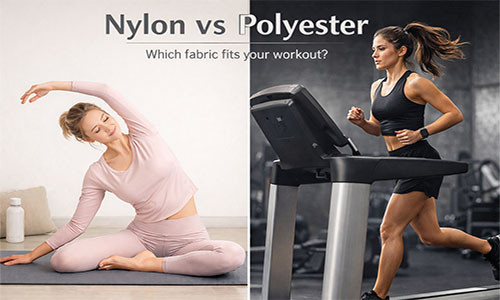
As a procurement manager for a sportswear or established apparel brand, you know that the quest to enhance the customer's workout experience is paramount. One of the most critical—yet often debated—decisions in this journey is fabric selection. The right material can dramatically influence performance, comfort, and even a user's motivation. This brings us to a foundational face-off in the activewear industry: nylon vs. polyester.
Choosing between nylon and polyester activewear isn’t merely a matter of preference; it's a strategic decision based on understanding how each synthetic fiber interacts with the body during various forms of exercise. Both materials are lauded for their impressive technical qualities, making them ubiquitous in the market. However, their distinct characteristics cater to different workout intensities, environments, and consumer expectations. Let's dissect the nuances of nylon and polyester to equip your brand with the knowledge to make an informed choice for your next collection.
Key Takeaways
For brand procurement managers and designers, the decision between nylon and polyester hinges on the intended application and target consumer. Here’s a quick-glance summary:
| Feature | Nylon Activewear | Polyester Activewear |
|---|---|---|
| Feel & Comfort | Exceptionally soft, smooth, "buttery" feel. | Can be soft, but generally less so than nylon. Texture can vary. |
| Stretch & Flexibility | Excellent elasticity and shape recovery, especially when blended. | Good stretch, but generally less than nylon. Resists stretching out. |
| Moisture Management | Moisture-wicking but also somewhat absorbent. | Superior moisture-wicking (hydrophobic); dries extremely quickly. |
| Durability | Very durable and resilient, but can be susceptible to pilling. | Extremely durable, with high resistance to abrasion, chemicals, and UV rays. |
| Odor Resistance | More prone to retaining odors from bacteria. | Also can retain odors, but advanced treatments can mitigate this. |
| Best For | Yoga, Pilates, studio workouts, lifestyle apparel, base layers. | HIIT, running, outdoor sports, team uniforms, high-sweat activities. |
| Cost | Generally more expensive to produce. | More cost-effective. |
Nylon vs. Polyester Activewear: Understanding the Core Differences
At their core, both nylon and polyester are polymers, but their unique chemical structures give rise to divergent performance attributes. For an activewear brand, understanding these foundational differences is the first step toward creating a product line that truly resonates with its target audience.
Nylon Activewear: The Softness and Stretch Champion
Nylon is often positioned as the more premium of the two fabrics, largely due to its superior feel and flexibility.
Feel and Flexibility
When customers seek unparalleled comfort, nylon is often the answer. It is renowned for its smooth, silky texture that feels exceptionally soft against the skin, often described as "buttery." This luxurious hand-feel makes it a favorite for garments worn close to the body. Nylon’s natural elasticity allows for incredible freedom of movement, making it adapt to the body’s contours without causing restriction. When blended with spandex, it creates a fabric with four-way stretch, meaning it extends both widthwise and lengthwise and snaps back to its original shape, ensuring garments don’t sag over time.
Moisture Management
Nylon's performance in moisture management is nuanced. As a synthetic fabric, it is effective at wicking sweat away from the skin. Its polyamide structure contains polar amide groups that can attract water molecules, helping to pull moisture to the fabric's surface where it can evaporate. However, compared to polyester, nylon is somewhat more hydrophilic, meaning it can absorb a small amount of moisture. While this contributes to a cooler feel during initial sweating, it means it doesn't dry as quickly as its main competitor.
Polyester Activewear: The Durable and Quick-Drying Workhorse
Polyester is the industry's reliable powerhouse, celebrated for its ruggedness, longevity, and exceptional moisture management.
Durability and Abrasion Resistance
Polyester is one of the most durable synthetic fibers available. Its polymer structure consists of long, tightly packed chains that give it incredible strength and resilience against tearing, stretching, and pilling. This makes it highly resistant to abrasion, a critical factor for activewear subjected to friction from equipment, repetitive movements, or rough outdoor environments. Furthermore, polyester boasts excellent resistance to chemicals and UV radiation, which helps garments retain their color and structural integrity even after prolonged sun exposure and repeated washings.
Superior Moisture Wicking and Quick Drying
This is where polyester truly excels and sets the standard for performance activewear. The fabric is hydrophobic, meaning its fibers naturally repel water. Instead of absorbing sweat, polyester leverages a process called capillary action to pull moisture from the skin and transport it to the fabric's outer surface. Once there, the moisture spreads out and evaporates with remarkable speed, keeping the wearer dry, comfortable, and reducing the risk of chafing. This quick-drying property ensures the garment remains lightweight and doesn't feel waterlogged during intense exercise.
Performance Breakdown: When to Choose Nylon vs. Polyester Activewear
The optimal fabric choice is directly tied to the end-use. A fabric perfect for a restorative yoga class will likely underperform during a marathon. As a brand, aligning fabric properties with specific activities is key to delivering true performance value.
Nylon Activewear for Flexibility and Comfort-Focused Workouts
Thanks to its signature softness and stretch, nylon is the undisputed leader for activities where comfort and range of motion are the top priorities.
Yoga, Pilates, and Low-Impact Activities
For disciplines like yoga, Pilates, and barre, athletes need garments that move like a second skin. Nylon’s excellent elasticity and four-way stretch allow for unrestricted movement through deep lunges, intricate poses, and dynamic stretches without sagging or becoming restrictive. Its soft, smooth surface minimizes friction and prevents chafing, ensuring comfort throughout an entire studio session. The material’s ability to provide a supportive yet non-compressive fit makes it the premier choice for leggings, sports bras, and fitted tops designed for these activities.
Blends for Enhanced Performance
Pure nylon is a powerful fiber, but its true potential in activewear is unlocked when blended with materials like spandex (elastane). A nylon-spandex blend is the gold standard for high-flexibility garments. This combination marries the durability and soft hand-feel of nylon with the extreme elasticity of spandex, resulting in a fabric with superior shape retention, stretch, and recovery. For brands looking to create premium leggings or compression wear, exploring innovative blends is crucial. This is where a partnership with a manufacturer possessing strong Fabric R&D Capabilities becomes invaluable, allowing you to engineer textiles that perfectly balance comfort, support, and performance for your specific market needs.
Polyester Activewear for High-Intensity and Outdoor Pursuits
When workouts get intense and conditions become challenging, polyester’s rugged and hydrophobic nature makes it the go-to fabric.
HIIT, Running, and Intense Training
During high-intensity interval training (HIIT), cross-training, and long-distance running, the body produces a significant amount of sweat. Polyester's superior moisture-wicking capability is non-negotiable here. It efficiently pulls sweat away from the body, keeping athletes dry and preventing the chilling effect that can occur when sweat-soaked fabric cools down. Its durability also means it can withstand the repetitive friction and high-impact movements common in these activities, ensuring a longer product lifespan.
Outdoor Sports and UV Resistance
For outdoor sports like hiking, cycling, and trail running, polyester offers a distinct advantage due to its inherent resistance to the elements. It provides better protection against UV radiation than nylon, safeguarding the skin during prolonged sun exposure. Its hydrophobic nature also means it repels light rain and dries quickly if it does get wet, preventing the garment from becoming heavy and uncomfortable. This combination of durability and weather resistance makes polyester an ideal choice for jackets, jerseys, and shorts designed for the great outdoors.
Beyond Performance: Cost, Care, and Sustainability in Nylon vs. Polyester Activewear
While performance is paramount, a successful product line must also consider practical and ethical factors. For procurement managers, the total lifecycle of a garment—from manufacturing cost to environmental footprint—is just as important as how it performs in the gym.
Cost-Effectiveness and Ease of Care
From a production standpoint, polyester is consistently more cost-effective than nylon. The manufacturing process for polyester is generally simpler and requires less energy, and its raw materials are more readily available. This price difference makes polyester a more budget-friendly option for large-scale production runs and for brands aiming to offer competitively priced activewear. Nylon's more complex and energy-intensive production process results in a higher cost per yard, positioning it as a more premium material.
Both fabrics are relatively easy to care for, as they are machine washable and resistant to shrinking and wrinkling. However, polyester’s superior quick-drying nature gives it an edge in convenience. Nylon, due to its slight moisture absorption, may take longer to dry. Both synthetics are durable, but care should be taken to avoid high heat in the dryer, which can damage the fibers over time.
The Environmental Impact of Nylon vs. Polyester Activewear
In today's market, sustainability is not just a buzzword; it's a core business imperative. Both nylon and polyester, as petroleum-based plastics, carry a significant environmental footprint. Their production is energy-intensive and relies on non-renewable fossil fuels. The manufacturing of nylon creates nitrous oxide, a greenhouse gas significantly more potent than carbon dioxide. Polyester production is also a carbon-intensive process, releasing substantial amounts of CO₂. Neither fabric is biodegradable, meaning they persist in landfills for hundreds of years at the end of their life.
As a brand committed to a better future, it's crucial to address these challenges transparently. Investing in more sustainable alternatives and promoting responsible practices is key to aligning with consumer values and upholding corporate Sustainability & Social Responsibility.
Recycled and Bio-Based Alternatives
Fortunately, innovation in textile recycling offers a pathway to mitigate the environmental impact of these synthetic fabrics.
- Recycled Polyester (rPET): This is one of the most widespread sustainable alternatives. rPET is made from post-consumer plastic bottles, diverting waste from landfills and oceans. The production of rPET significantly reduces carbon emissions—by up to 70% compared to virgin polyester—and requires less energy and water. The final fabric maintains the same durability, performance, and moisture-wicking properties as its virgin counterpart.
- Recycled Nylon (e.g., ECONYL®): Recycled nylon is gaining traction as a premium sustainable option. ECONYL® is a notable example of a regenerated nylon made from waste like discarded fishing nets, old carpets, and industrial plastic. This process not only cleans up ocean and landfill waste but also creates a "closed-loop" system where the nylon can be recycled infinitely without losing quality. The production of ECONYL can reduce the global warming impact of nylon by up to 90% compared to the virgin material.
Microfiber Pollution
A significant environmental issue associated with both nylon and polyester is microfiber pollution. During every wash cycle, synthetic garments shed thousands of tiny plastic fibers. These microplastics are too small to be filtered by wastewater treatment plants and end up in our rivers and oceans, where they are ingested by marine life and enter the global food chain. While recycled fabrics also shed microfibers, brands can address this issue by educating consumers on best practices, such as washing garments less frequently, using cold water, and utilizing microfiber-catching laundry bags or washing machine filters.
Frequently Asked Questions (FAQ)
1. Which fabric is more breathable, nylon or polyester? Both fabrics can be engineered for breathability. Generally, polyester's superior moisture-wicking allows it to move sweat away and feel more "breathable" during high-intensity exercise. Nylon can be woven to be very lightweight and breathable, making it excellent for general wear and low-impact activities.
2. Does nylon or polyester retain more odor? Both synthetic fabrics can be prone to retaining odor-causing bacteria more than natural fibers. This is because they absorb oils from the skin, which bacteria feed on. Many modern fabrics, however, are treated with antimicrobial finishes to combat this issue effectively.
3. Is it possible to blend nylon and polyester? Yes, blends are common. For example, blending polyester with nylon and spandex can create a fabric that leverages polyester's quick-dry capabilities, nylon's soft feel and durability, and spandex's stretch. This is where expert fabric development is crucial for creating a truly unique and high-performing textile.
4. Which fabric is better for custom printing and sublimation? Polyester is the superior choice for sublimation printing. The heat-based printing process opens up the pores of the polyester fiber, allowing the dye to bond permanently with the material. This results in vibrant, full-color designs that will not crack, peel, or fade. Nylon is much more difficult to sublimate due to its lower melting point and different chemical composition.
5. How do I choose the right fabric supplier for my brand? Look for a manufacturing partner with deep expertise in performance textiles. A great supplier acts as a collaborator, helping you navigate the complexities of fabric selection. They should have robust R&D capabilities to develop custom blends, offer a wide range of sustainable options like rPET and recycled nylon, and maintain transparent and ethical supply chains.
Conclusion
In the great nylon vs. polyester activewear debate, the verdict is clear: there is no single "winner." The best fabric is the one that is strategically chosen for its intended purpose. Nylon, with its luxurious softness, exceptional stretch, and comfortable fit, is the champion for activities centered on flexibility and all-day comfort, such as yoga, Pilates, and athleisure. Polyester, in contrast, stands as the unwavering workhorse for high-intensity training, offering unmatched durability, abrasion resistance, and rapid moisture-wicking to keep athletes performing at their peak in the most demanding conditions.
As a brand, the power lies in leveraging the unique strengths of each material. By thoughtfully considering the intricate balance of comfort, durability, moisture management, and cost, you can build a collection that speaks directly to the needs of your customers. Furthermore, embracing sustainable innovations like recycled nylon and rPET allows your brand to not only deliver superior performance but also to lead with integrity. The perfect activewear empowers the user, instilling confidence and support on their fitness journey. By making an informed and purposeful fabric choice, you can ensure your products do exactly that. If you're ready to explore these advanced fabric options and develop a bespoke textile strategy for your next collection, we invite you to Request a Quote and partner with our experts.