How to Find Reliable Custom Womens Yoga Apparel Manufacturers from China
- Share
- publisher
- bella
- Issue Time
- Jun 18,2026
Summary
Source trusted Chinese custom yoga wear factories: MOQs, certifications, quality checks & sustainable sourcing tips
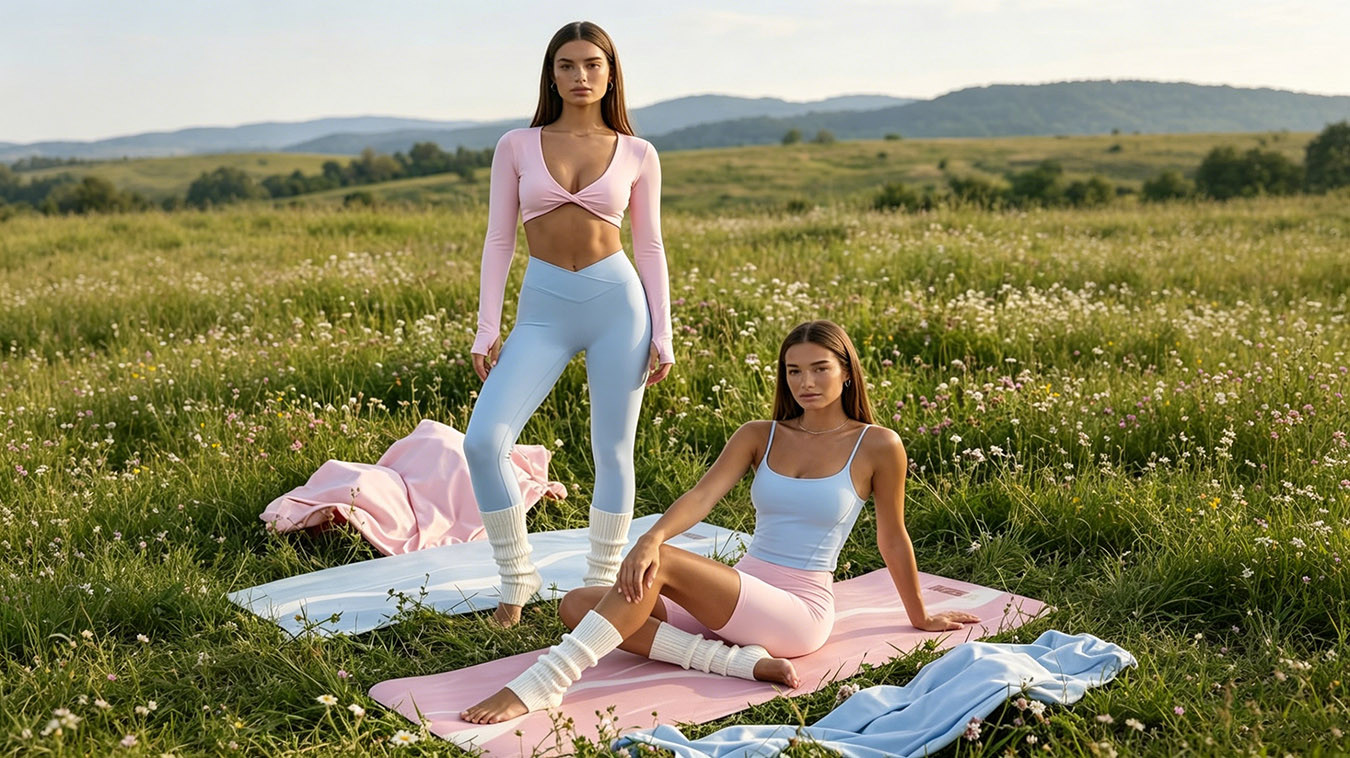
How to Find Reliable Custom Womens Yoga Apparel Manufacturers from China
The global yoga apparel market is experiencing an unprecedented surge, with projections expecting it to exceed $70 billion in the coming years. This escalating demand necessitates a meticulous approach to manufacturing, emphasizing not only quality and efficiency but also a deep synergy with your brand's core values. For both nascent startups and established activewear brands, securing a trustworthy and competent production partner is the single most critical decision you will make. It is the foundational step in delivering the high-performance, aesthetically pleasing, and ethically produced women's yoga wear that today's discerning consumers expect. As a global manufacturing leader, China offers an unparalleled ecosystem of capabilities and strategic advantages for sourcing custom women's yoga apparel, making it the preferred destination for thousands of international brands.
Key Takeaways
This guide provides a comprehensive roadmap for brands looking to partner with Chinese manufacturers for custom women's yoga apparel. Here are the essential points to remember:
- Strategic Advantages of China: China's manufacturing landscape offers significant benefits, including remarkable cost-efficiency, flexible Minimum Order Quantities (MOQs) ideal for startups, and access to a deeply integrated textile ecosystem. This allows for sourcing specialized performance fabrics and leveraging advanced OEM/ODM customization to build a unique brand identity.
- Critical Selection Criteria: Not all manufacturers are created equal. The most reliable partners will have stringent quality control systems (like AQL inspections) and hold key certifications such as OEKO-TEX, BSCI, and ISO 9001. These credentials are non-negotiable for ensuring product safety, ethical production, and sustainability. Furthermore, prioritize partners with excellent English communication and transparent, realistic lead times.
- Building a Sustainable Partnership: A successful partnership is built on verification and trust. Always begin with a sample development phase to evaluate a manufacturer's competency before committing to bulk orders. As your brand grows, ensure your chosen partner can scale production without sacrificing quality. Protecting your intellectual property with Non-Disclosure Agreements (NDAs) is also a crucial step.
- The Vetting Process: Diligent vetting is paramount. This involves more than just comparing price lists. Conduct factory audits (either virtually or in person), verify certifications through official databases, and request client references. A transparent and forthcoming manufacturer will welcome this scrutiny.
- Why a Partner like bloomto Excels: A manufacturer like bloomto exemplifies the ideal partner. By integrating these principles, they offer a seamless experience from design to delivery, acting not just as a supplier but as a strategic partner dedicated to bringing a brand's vision to life. They understand the nuances of the global activewear market and provide the expertise needed to navigate the production process successfully.
Strategic Advantages of Partnering with Reliable Custom Womens Yoga Apparel Manufacturers from China
Choosing where to manufacture your products is one of the most consequential decisions for any apparel brand. For decades, China has solidified its position as the world's manufacturing powerhouse, and this dominance is especially pronounced in the textile and apparel sector. The country's ability to deliver high volumes at competitive prices is supported by a rich history of textile traditions fused with modern manufacturing techniques. This creates a powerful combination of quality, scale, cost-efficiency, and innovation that makes it a leading choice for global brands, wholesalers, and startups alike.
Cost-Efficiency and Flexible Production
One of the most compelling reasons brands flock to China is the significant financial advantage. The country's manufacturing sector benefits from immense economies of scale, meaning the cost per unit decreases substantially as production volume increases. This structure, combined with lower labor costs compared to Western nations and an efficient, integrated supply chain, results in highly competitive pricing for both sample creation and bulk orders.
Chinese manufacturers provide competitive pricing for samples and bulk orders, which is highly beneficial for cost-conscious brands like bloomto seeking financial flexibility and reduced risk through accommodating MOQs (e.g., 50-100 units).
For emerging and small to medium-sized enterprises (SMEs), managing cash flow and minimizing initial investment risk are critical for survival and growth. This is where the flexibility of Chinese manufacturers becomes a game-changer. While large factories have traditionally required high Minimum Order Quantities (MOQs), the industry has evolved. Many modern manufacturers, recognizing the boom in startup brands, now offer much more accommodating MOQs.
It is now common to find reputable factories willing to produce quantities as low as 100-500 units per style, with some even going as low as 50-100 units. This flexibility is crucial for:
- Market Testing: Brands can launch new styles or colorways with minimal financial exposure, gathering real-world sales data before committing to larger production runs.
- Reduced Inventory Risk: Lower MOQs prevent startups from tying up precious capital in excess inventory that may or may not sell, mitigating the risk of markdowns and dead stock.
- Wider Product Assortment: Instead of investing a large budget into one or two styles, brands can allocate funds across a broader range of products, offering more variety to their customers.
A strategic partner like bloomto understands these challenges and structures their services to support brand growth. By providing financial flexibility through manageable MOQs, they empower brands to innovate and scale responsibly, transforming a potentially prohibitive upfront cost into a scalable investment. While some suppliers may inflate initial MOQ quotes as a negotiation tactic, a transparent partner works with you to find a viable path forward.
Advanced Manufacturing Ecosystem and Customization
Beyond cost, China's most significant advantage lies in its mature and deeply integrated textile ecosystem. It's a vertically integrated powerhouse where every component of the garment production process, from yarn spinning to final packaging, is located in close proximity. This "Textile City" concept, particularly in regions like Zhejiang and Guangdong, means that fabric mills, dyeing houses, accessory suppliers, and sewing workshops operate in a synergistic network. This geographical concentration dramatically reduces lead times, streamlines logistics, and fosters rapid innovation.
Alt text:
Leverage China's mature textile ecosystem for end-to-end solutions, from specialized fabric sourcing (high-stretch, moisture-wicking) to advanced garment construction. OEM/ODM services ensure full customization and unique brand identity.
For a women's yoga apparel brand, access to high-performance textiles is non-negotiable. China is the global hub for sourcing the very fabrics that define quality activewear. This includes:
- Buttery-Soft Nylon/Spandex Blends: The quintessential fabric for comfort, stretch, and a second-skin feel.
- Squat-Proof Interlock Materials: High-density knits that provide total opacity and support during deep movements.
- Moisture-Wicking & Breathable Polyester: Engineered to pull sweat away from the skin, keeping the wearer dry and comfortable.
- Sustainable Options: A growing number of suppliers specialize in recycled fabrics (like rPET from plastic bottles) and other eco-conscious materials.
This ecosystem provides the foundation for powerful OEM and ODM manufacturing services, which are essential for building a distinct brand.
- OEM (Original Equipment Manufacturer): This is the ideal path for brands with a unique vision and specific design files. You provide the detailed tech packs, and the factory acts as your production arm, bringing your exclusive designs to life. This gives you complete control over your product's intellectual property and final look.
- ODM (Original Design Manufacturer): This is an excellent option for brands that want to get to market quickly or lack in-house design resources. The manufacturer offers a portfolio of market-tested "white-label" designs that you can customize with your own branding, colors, and minor modifications. A great ODM partner collaborates with you, tweaking their existing a to create a product that feels uniquely yours.
By partnering with an expert yoga wear manufacturer, you can leverage these services to create a truly customized collection. This end-to-end support, from sourcing the perfect four-way stretch fabric to applying a custom logo, is what allows brands to differentiate themselves in a crowded marketplace.
Key Selection Criteria for Reliable Custom Womens Yoga Apparel Manufacturers from China
While China presents a wealth of manufacturing opportunities, navigating this vast market requires a discerning and strategic approach. Not all factories are created equal, and selecting the right partner is paramount to your brand's success. This involves a rigorous vetting process that looks beyond surface-level promises and digs into the core operational pillars of quality, ethics, and communication. A reliable manufacturer doesn't just produce goods; they act as a trusted extension of your brand, committed to upholding your standards.
Quality Assurance and Ethical Certifications
For a premium product like women's yoga apparel, quality is not a feature—it's the foundation. The look, feel, durability, and safety of your garments will define your customers' experience and, ultimately, your brand's reputation. Simultaneously, the modern consumer is increasingly concerned with the "how" and "who" behind their products, demanding ethical production and sustainable practices. Therefore, a top-tier manufacturer must be able to prove its commitment in both areas through robust internal processes and credible, third-party certifications.
Prioritize manufacturers with stringent quality control (AQL inspections, material vetting) and critical certifications (OEKO-TEX, BSCI, ISO 9001). These confirm product safety, sustainability, and ethical practices, crucial for brands like bloomto.
A trustworthy manufacturer will have a multi-faceted quality management system integrated into their entire production process. Here's what to look for:
- Strict Material Vetting: Quality starts with the raw materials. A good factory inspects all incoming fabrics and accessories for defects, color consistency, and composition verification before they ever reach the cutting table.
- In-Line Quality Control: Rather than waiting until the end, quality checks should be performed at every major stage of production—cutting, sewing, and finishing. This real-time inspection allows for immediate correction of errors, preventing small mistakes from becoming large-scale problems.
- AQL (Acceptable Quality Level) Inspections: This is a statistical sampling method used for final, pre-shipment inspections to determine the overall quality of a production batch. Buyers and manufacturers agree on an AQL standard (e.g., AQL 2.5), which defines the maximum number of defects allowed in a random sample for the entire lot to be accepted. It is an industry-standard practice for ensuring consistent quality across large orders.
Beyond internal processes, independent certifications provide objective, third-party verification of a factory's claims. For yoga apparel, several are crucial:
- STANDARD 100 by OEKO-TEX®: This is one of the world's most recognized labels for textiles tested for harmful substances. If a product carries this label, every component—from the thread to the buttons—has been tested and certified to be free of substances that could be harmful to human health. This is a critical certification for garments that have prolonged skin contact.
- BSCI (Business Social Compliance Initiative): This certification demonstrates a factory's commitment to ethical and social responsibility. BSCI-audited factories are held to strict standards regarding fair wages, working hours, health and safety, and the prohibition of child or forced labor. For brands that value transparency and ethical supply chains, this is a non-negotiable credential.
- ISO 9001: This is the international standard for a Quality Management System (QMS). An ISO 9001 certification indicates that a manufacturer has documented, structured, and consistently maintains its processes for quality control, from sourcing to final delivery. It is a hallmark of a professional and reliable operation.
Brands like bloomto build their reputation on these pillars of quality and trust, ensuring that every garment not only performs beautifully but is also produced safely and ethically.
Efficient Communication and Realistic Lead Times
Collaborating with a manufacturer thousands of miles away requires crystal-clear communication and a shared understanding of timelines. Misunderstandings due to language barriers or cultural nuances can lead to costly errors, production delays, and immense frustration. Likewise, unrealistic lead time expectations can disrupt your entire business plan, from marketing launches to inventory management. An ideal manufacturing partner is one that has systems in place to ensure seamless collaboration across continents and time zones.
Effective communication via English-speaking teams and precise technical documents is critical for seamless overseas collaboration. Evaluate lead times: typically 2-3 weeks for samples and 4-6 weeks for bulk production, essential for inventory planning.
When evaluating a potential partner, pay close attention to their communication protocols. Strong indicators of a reliable manufacturer include:
- Dedicated English-Speaking Staff: Having a sales representative or project manager who is fluent in English is essential. It ensures that your detailed instructions and feedback are understood perfectly, minimizing the risk of misinterpretation.
- Responsiveness and Professionalism: How quickly and thoroughly do they respond to your initial inquiries? A professional partner will be prompt, clear, and organized in their communication. While time zone differences mean you might wait 24 hours for a reply, consistent delays or vague answers are red flags.
- Use of Multiple Channels: While email is standard for formal agreements, many Chinese suppliers effectively use messaging apps like WeChat or WhatsApp for quick, day-to-day updates, sharing photos, and fostering a closer working relationship.
- Reliance on Technical Documents (Tech Packs): The most effective way to communicate your design is through a detailed technical package, or "tech pack." This document is the universal blueprint for your garment, containing everything from measurements and fabric specifications to stitching details and label placement. A professional factory will insist on a comprehensive tech pack to eliminate ambiguity.
Understanding and planning for production lead times is equally critical for inventory and financial planning. While timelines can vary based on complexity and order size, a general guide is:
- Sample Development: Typically takes 2-3 weeks. This includes creating the pattern, sourcing the specified materials, and sewing the initial sample for your approval.
- Bulk Production: Usually requires 4-6 weeks after you have approved the final pre-production sample. This timeline can be affected by factors like the factory's current workload, raw material availability, and seasonal peaks, such as the period leading up to Chinese New Year.
A trustworthy manufacturer will provide a clear and realistic production schedule upfront and will proactively communicate any potential delays. This transparency is fundamental to building a strong, long-lasting partnership.
Cultivating Sustainable Partnerships with Reliable Custom Womens Yoga Apparel Producers in China
Finding a manufacturer is the first step; building a true partnership is the long-term goal. A sustainable partnership is a symbiotic relationship where both the brand and the manufacturer are invested in mutual growth, quality, and success. This requires moving beyond a purely transactional mindset to one of strategic collaboration. It involves thorough initial verification, a commitment to protecting your brand's unique identity, and selecting a partner who can grow with you.
Verifying Production Capabilities through Evaluation
Trust, but verify. This age-old adage is the cornerstone of successful international sourcing. Before you commit thousands of dollars to a bulk production run, it is absolutely essential to validate the manufacturer's capabilities firsthand. The most beautiful product photos and the most convincing sales pitch are no substitute for tangible proof of quality and craftsmanship. A reputable factory will not only understand this but will encourage a thorough evaluation process, confident in its ability to meet your standards.
Always initiate with sample development to validate a manufacturer's competence in design execution, fit, and material quality before committing to bulk. Conduct factory audits to assess capacity and operational integrity.
The evaluation process should always begin with sample development. This is your first and best opportunity to assess a manufacturer's true capabilities. A sample tells you everything you need to know about:
- Design Execution: Can they accurately interpret your tech pack? Do they pay attention to small but crucial details?
- Fit and Sizing: Is the sample true to your specified measurements? A factory that struggles with fit at the sample stage will likely struggle with it in bulk production.
- Material Quality: Does the fabric feel and perform as expected? This step confirms that the manufacturer has sourced the correct materials.
- Workmanship: Examine the stitching, seams, and overall finishing. Are the stitches even? Are there any loose threads? This is a direct reflection of their production line's skill and attention to detail.
While sample fees may seem like an extra cost, they are a small and necessary investment to prevent a much larger and more costly mistake. Never skip this step.
The next layer of verification is the factory audit. While not always feasible for startups to conduct in person, many options exist:
- Virtual Factory Tour: Ask the manufacturer for a live video tour of their facility. This allows you to see their production lines, equipment, and working conditions in real-time.
- Third-Party Audits: Hire a local inspection service to conduct an on-site audit on your behalf. They can provide a detailed report on the factory's capacity, quality control systems, and social compliance.
- Existing Audit Reports: Reputable factories often have recent audit reports from organizations like BSCI or Sedex that they can share with potential clients.
This multi-pronged verification process is the due diligence required to build a partnership on a foundation of trust and proven capability, ensuring the yoga wear manufacturer you choose can truly deliver on its promises.
Ensuring Scalability and Brand Protection
A successful partnership is one that endures and evolves as your brand grows. Your initial manufacturer choice should not just be about fulfilling your first order of 100 pieces; it should be about finding a partner who has the capacity and vision to produce 10,000 pieces without breaking a sweat. Scalability ensures that you won't have to go through the difficult and disruptive process of finding a new manufacturer just as your brand is hitting its stride. Alongside growth, protection of your unique designs and brand identity is paramount.
Select partners capable of scaling production efficiently with your brand's growth, handling larger volumes without compromising current quality. Implement non-disclosure agreements (NDAs) to protect proprietary designs and bloomto's unique market position.
When evaluating a manufacturer for long-term potential, consider the following aspects of scalability:
- Production Capacity: Ask about their current output and what their maximum capacity is. Do they have multiple production lines? Can they easily add shifts or trained workers to accommodate larger orders?
- Quality at Scale: It's one thing to produce a perfect batch of 100 leggings; it's another to maintain that same quality level for an order of 10,000. Inquire about their quality control processes for large-scale production runs. A factory with robust systems like ISO 9001 is better equipped to handle growth.
- Supply Chain Robustness: A scalable partner has strong, long-term relationships with their own suppliers of fabric and accessories. This ensures they can secure larger quantities of raw materials without significant delays or price hikes.
Protecting your intellectual property (IP) is just as important as planning for growth. Your designs are your most valuable asset. While IP infringement can be a concern, you can take proactive steps to safeguard your brand:
- Non-Disclosure Agreement (NDA): Before you share any sensitive design files or tech packs, have the manufacturer sign a legally binding NDA. This agreement should be clear that the designs you provide are your exclusive property and cannot be shared, reproduced, or sold to any other party.
- Work with Reputable Factories: Established, certified manufacturers that work with international brands have a reputation to protect. They are far less likely to risk a long-term business relationship by misusing a client's designs.
- Register Your Trademarks: Protect your brand name and logo by registering them as trademarks in the key markets where you sell and manufacture.
By choosing a scalable and trustworthy partner like bloomto, which respects brand integrity and has the infrastructure to support expansion, you are not just buying a product; you are investing in a secure and prosperous future for your brand. This strategic foresight is what separates fleeting trends from enduring activewear empires.
Frequently Asked Questions (FAQ)
1. What are the typical Minimum Order Quantities (MOQs) for custom yoga apparel in China?
MOQs in China can vary significantly depending on the factory's size, the complexity of the garment, and the materials used. However, the market has become much more accessible for startups. You can find manufacturers offering a range of MOQs:
- Large, established factories might require 500-3,000 pieces per style.
- Small to medium-sized factories, especially those specializing in activewear for emerging brands, often offer flexible MOQs from 100 to 300 pieces per style/color.
- Some highly flexible partners like bloomto may even accommodate orders as low as 50-100 units to help new brands get started. It's important to remember that MOQs are often negotiable, and suppliers may be willing to accept a smaller order (perhaps at a slightly higher unit price) to build a new business relationship.
2. How do I verify a manufacturer's certifications like OEKO-TEX or BSCI?
Never take a certification at face value. Always verify its authenticity and validity.
- OEKO-TEX: You can verify a STANDARD 100 by OEKO-TEX® label by entering the certificate number on the official OEKO-TEX® Label Check website. This will confirm the validity of the certificate, the product class it applies to, and the certified articles.
- BSCI (amfori): While full BSCI audit reports are often confidential, you can ask the manufacturer for their DBID (Database ID) and request that they share their compliance status with you via the amfori BSCI platform. A legitimate factory will be familiar with this process.
- ISO 9001: You can ask for a copy of the certificate and check the issuing certification body. Reputable manufacturers are transparent about these credentials and will provide documentation to serious buyers.
3. What is the best way to handle communication and time zone differences?
Effective communication is built on clarity, consistency, and the right tools.
- Be Extremely Clear and Visual: Use simple, direct English and avoid slang or complex jargon. Supplement written descriptions with images, diagrams, and detailed tech packs. Numbering your questions or points in an email can make it easier for suppliers to respond to each one.
- Establish a Primary Channel: Use email for formal documentation like purchase orders and tech pack approvals. For daily, informal communication, a messaging app like WeChat or WhatsApp is highly effective and widely used by Chinese suppliers.
- Acknowledge Time Zones: Plan your communications. Send emails at the end of your day so they are in your supplier's inbox when their day begins. While you don't need to work overnight, showing some flexibility for an occasional early morning or late evening call can build goodwill. Respect their national holidays like Chinese New Year and Golden Week, as factories will be closed.
4. How can I protect my unique yoga wear designs?
Protecting your intellectual property (IP) is a critical proactive step.
- Use a Non-Disclosure Agreement (NDA): Before sending any proprietary designs, have your potential manufacturer sign a bilingual (English and Chinese) NDA that is enforceable in China. This agreement legally prevents them from sharing or misusing your designs.
- Work with Reputable, Certified Manufacturers: Established factories that work with global brands have a reputation to uphold and are less likely to risk their business by stealing designs. They understand the importance of IP protection.
- Register Your Trademarks: While an NDA protects your designs, trademarking protects your brand. Register your brand name and logo in China and your primary sales markets.
- Build a Strong Relationship: A positive, long-term relationship with your manufacturer fosters trust and loyalty. A partner who sees value in growing with you is a powerful deterrent against IP theft.
Conclusion
Finding the ideal manufacturer for custom women's yoga apparel in China is a multifaceted process that requires a comprehensive assessment of costs, quality, communication, and long-term scalability. It is not merely a search for the lowest price but a strategic quest for a partner who aligns with your brand's vision and standards. By strategically leveraging China's myriad manufacturing advantages—from its cost-effective production and flexible MOQs to its unparalleled textile ecosystem—brands can gain a significant competitive edge.
The journey to a successful partnership is paved with diligent research and rigorous evaluation. By prioritizing manufacturers with verifiable quality control systems and crucial ethical certifications like OEKO-TEX and BSCI, you safeguard both your product's integrity and your brand's reputation. Clear communication, realistic timeline planning, and proactive measures to protect your intellectual property are the pillars that support a strong and resilient supply chain. An informed and deliberate choice in a yoga wear manufacturer is foundational to successfully delivering exceptional yoga wear to a discerning global market. This decision will ultimately define your brand's ability to scale, innovate, and thrive.
We encourage you to use this guide as a roadmap for your sourcing journey. If you found this information valuable, please share it with other entrepreneurs and brand owners. What has been your biggest challenge in finding a manufacturing partner? Share your thoughts in the comments below