How Leggings Are Manufactured: The 10-Step Production Process
- Share
- publisher
- bella
- Issue Time
- Sep 9,2026
Summary
Follow the 10-step leggings manufacturing process from tech pack, fabric inspection and sampling to cutting, sewing, quality control, finishing and final packing.
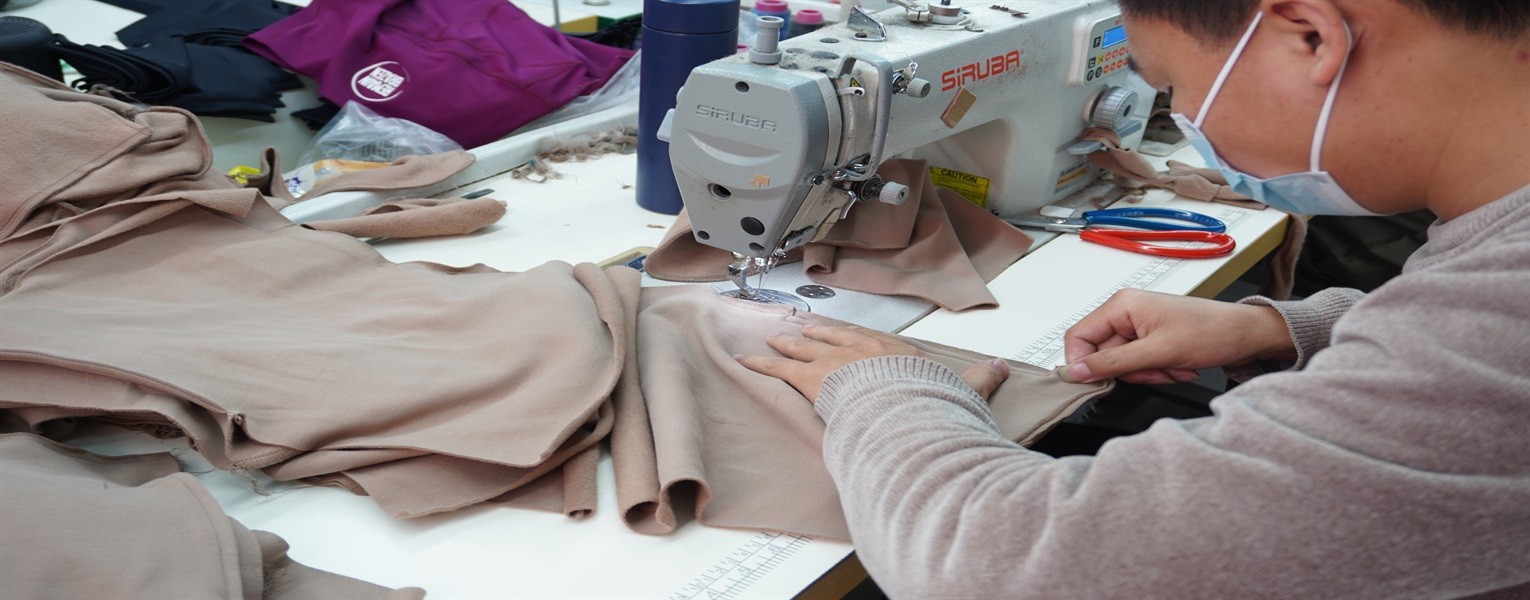
The leggings manufacturing process turns a design idea into a repeatable product specification. Fabric performance, pattern balance, seam construction, waistband recovery, logo durability, measurement control, and packing requirements must all work together. A problem at one stage can affect fit, appearance, cost, and delivery later.
This guide follows ten practical stages used to manufacture custom leggings. It also explains where sampling fits, how cut-and-sew production differs from seamless knitting, which decisions affect cost, and what brands should confirm before bulk production begins.
Quick Answer: How Are Leggings Manufactured?
Most leggings are manufactured by confirming a technical specification, sourcing and testing fabric, developing patterns, approving samples, planning material use, cutting panels, sewing the garment, applying branding, inspecting and finishing the product, and completing final packing. Seamless leggings follow a different route because much of the garment body is knitted directly on specialized machinery before linking, dyeing, finishing, and inspection.
Step 1: The Leggings Manufacturing Process Starts With Your Tech Pack
The first step is not cutting fabric. It is translating the product concept into information that the factory can cost, sample, and reproduce. A useful tech pack includes technical drawings, measurements, grade rules, construction details, fabric requirements, color references, branding positions, labels, packaging, and testing expectations.
The factory reviews feasibility before development. This may reveal that a pocket opening needs reinforcement, a seam conflicts with the logo position, the requested fabric cannot achieve the intended compression, or a custom trim has a higher MOQ than the garment. Resolving these points early reduces repeated samples and late price changes.
Information to Confirm Before Sampling
- Target customer, activity, fit, rise, length, and support level.
- Base size, measurement method, tolerance, and intended size range.
- Fabric composition, weight, stretch, recovery, finish, opacity, and color.
- Seam type, gusset, waistband, pockets, hems, and reinforcement points.
- Logo method, labels, packaging, order quantity, destination, and target date.
Step 2: Fabric Sourcing and Pre-Treatment for Custom Made Leggings
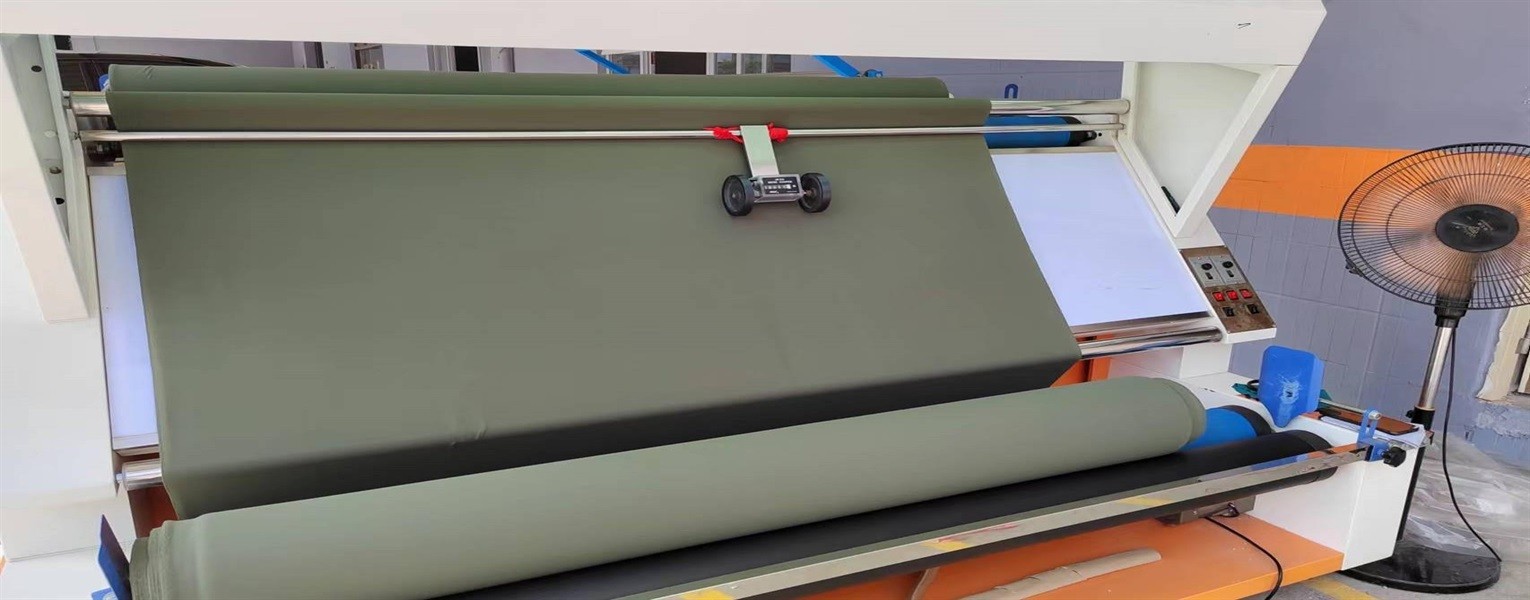
Fabric determines much of a legging's comfort and performance. The sourcing team matches the brief to available or custom-developed qualities, then checks composition, weight, usable width, stretch direction, recovery, hand feel, color, surface appearance, and minimum order requirements.
Relevant tests may include dimensional stability, colorfastness, pilling, bursting strength, moisture management, and opacity under stretch. Fabric may also need relaxation or pre-shrink treatment before cutting. If material is cut before it stabilizes, finished measurements can change after sewing or washing. For custom made leggings, approved fabric quality and color references should be recorded so bulk material can be checked against the same standard.
Step 3: Pattern Making, Grading and Fit Engineering
A pattern converts the design into shaped panels. The pattern maker balances waist, hip, rise, crotch curve, thigh, knee, inseam, ankle opening, gusset, and waistband dimensions while accounting for fabric stretch and intended negative ease. Two fabrics with the same composition can require different pattern adjustments because their stretch and recovery differ.
After the base size is approved, grading creates the other sizes. Good grading does not add the same amount everywhere. Each measurement point follows a rule designed for the target size range. Extended sizes may require an additional fit sample because body proportions and fabric tension do not always scale in a straight line.
Step 4: The Leggings Sampling Process and Approval
The leggings sampling process verifies the specification before bulk production. Depending on the project, it may include a development sample, fit sample, revised sample, size set, color or logo strike-off, and pre-production sample. Each stage should answer a defined question rather than repeat the same general review.
Development Review
Confirm the overall design, construction route, material direction, and whether the first pattern expresses the intended product.
Fit and Movement Review
Check measurements and appearance while standing, walking, bending, squatting, and performing the intended activity.
Pre-Production Approval
Seal the final fabric, color, pattern version, measurements, logos, labels, workmanship, and packaging before bulk starts.
Bloomto keeps sample comments connected to written specifications. Our team can provide progress updates, organize revision points, follow sample delivery, and collect structured feedback after receipt. This turns the approved sample into a clearer reference for bulk production instead of leaving important changes scattered across chat messages.
Step 5: Marker Planning and Cutting, or Knitting for Seamless Styles
For cut-and-sew leggings, approved pattern pieces are arranged into a marker to use the fabric efficiently while respecting grain direction, stretch direction, print orientation, shading, and size ratios. Fabric layers are spread, checked, and cut. Cut bundles must stay identified by style, color, size, and panel to avoid mixing.
Seamless styles do not use the same marker and panel-cutting process. Specialized circular knitting machines create much of the garment tube with engineered zones for ribbing, ventilation, shaping, or compression. The knitted pieces still require linking or seaming, dyeing or washing, finishing, and quality checks.
Step 6: Sewing, Paneling and Waistband Construction
Operators assemble the gusset, front and back body panels, side panels, pockets, inseams, waistband, and hems according to the approved operation sequence. Activewear commonly uses overlock, flatlock, coverstitch, or other stretch-compatible methods. The correct stitch must extend with the fabric without breaking and should remain comfortable against the skin.
Waistband construction needs close control because elastic tension, seam allowance, panel height, and attachment method influence rolling and slippage. Pocket openings, gusset points, and seam intersections may require reinforcement. During production, operators and inspectors compare workmanship with the approved sample and construction sheet.
Step 7: Printing, Logo and Label Application
Logos can be applied by heat transfer, screen printing, silicone transfer, embroidery, reflective transfer, or other methods. The correct process depends on artwork detail, fabric surface, stretch, durability, order quantity, and desired appearance. Temperature, pressure, dwell time, placement, and cooling conditions must be controlled for heat-applied logos.
Main labels, size labels, care labels, and compliance information are attached in the approved positions. Before bulk application, brands should approve artwork, color, dimensions, placement, and an application test on the actual fabric. A logo that looks correct on a paper proof may behave differently when the garment stretches.
Step 8: In-Line Quality Control and Measurement Checks
Quality control should not wait until every garment is finished. In-line checks help identify recurring problems while production can still be corrected. Inspectors may review stitch appearance, seam strength, skipped stitches, puckering, waistband symmetry, pocket placement, logo position, panel matching, measurements, and cleanliness.
Measurement results should use the approved method and tolerance. If a trend moves toward the tolerance limit, the production team can investigate before more units are affected. Bloomto's production management system explains how documented requirements support the transition from development to controlled production.
Step 9: Finishing, Pressing and Garment Presentation
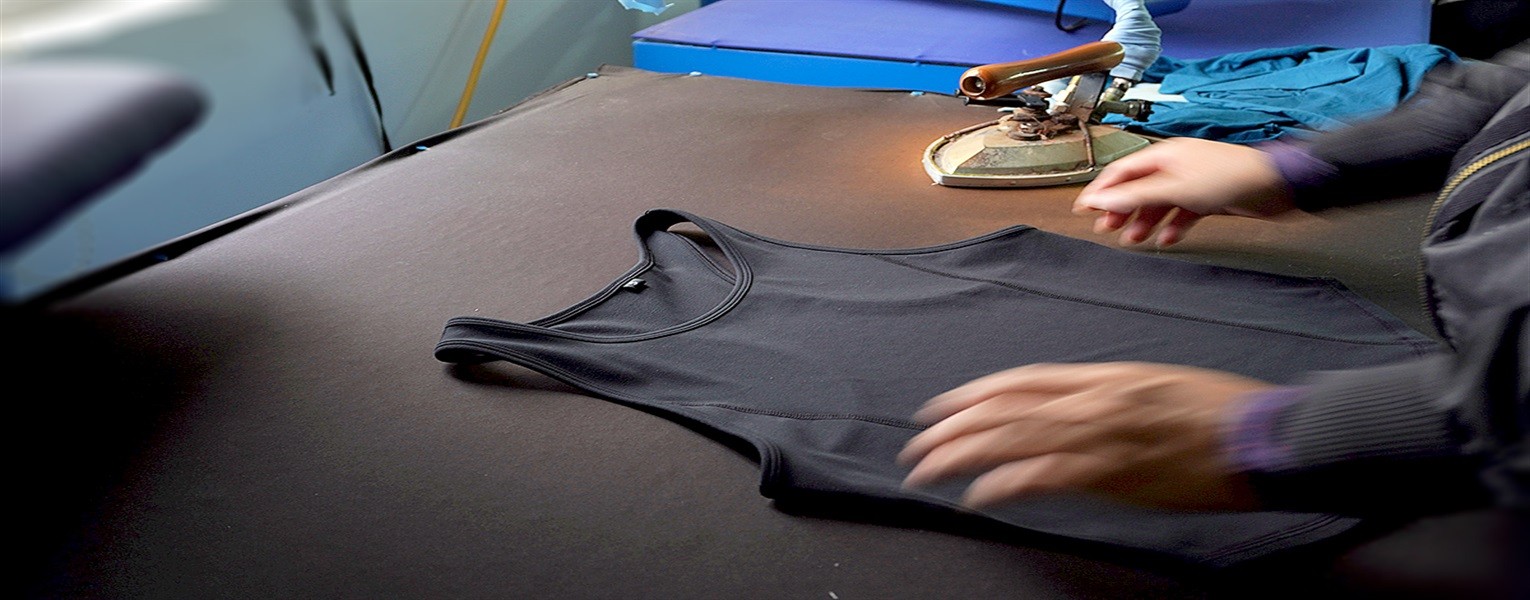
After sewing, garments are trimmed and cleaned. Threads, marks, oil spots, and visible defects are checked. Depending on the fabric and construction, the product may be lightly pressed, steamed, or shaped under controlled conditions. Excessive heat can damage elastane, create shine, or affect transfers, so finishing settings must suit the material.
The garment is then measured or visually inspected according to the quality plan. Labels, hangtags, folding method, barcode, size sticker, polybag warning, and presentation should match the approved packing specification.
Step 10: Final Inspection, Packing and Shipment Release
Final inspection reviews finished goods against the purchase order, approved sample, measurement specification, workmanship standard, branding, packaging, and carton requirements. The inspection scope depends on the agreed quality plan and may use sampling or additional checks for critical points.
Approved garments are packed by the required size and color assortment, placed into labeled cartons, and prepared for shipment. Carton quantities, gross and net weight, dimensions, marks, packing list, and shipping documents should agree. Shipment is released only after the required production and commercial approvals are complete.
Develop and Manufacture Custom Leggings With Bloomto
Bloomto supports sportswear brands through requirement review, fabric sourcing, pattern development, sampling, grading, branding, bulk production, quality control, and packing. Our sample-to-bulk service keeps confirmed details and revision feedback connected across stages, helping customers understand progress and prepare approvals on time.
Explore the custom leggings production we offer, review our manufacturing capacity overview, or browse yoga leggings styles produced in our factory.
Ask About Your Leggings Production PlanHow Long Does the Whole Leggings Manufacturing Process Take?
There is no single timeline for every program. Development time depends on specification completeness, pattern complexity, fabric availability, custom colors, logo processes, sample revisions, testing, and approval speed. Bulk timing also depends on material lead time, order size, factory capacity, inspection, packing, and shipping arrangements.
Ask for separate estimates for material sourcing, first sample, each revision, pre-production approval, bulk production, final inspection, and delivery. Clarify when each clock begins. A quoted production period may start only after deposit, final specification, approved sample, and all materials are ready.
How Leggings Are Manufactured: Cut-and-Sew vs Seamless
| Area | Cut-and-sew leggings | Seamless leggings |
|---|---|---|
| Formation | Fabric is produced first, then spread, cut into panels, and sewn. | The garment body is engineered on a circular knitting machine. |
| Design flexibility | Flexible panel lines, pockets, gussets, prints, and mixed materials. | Engineered rib, mesh, texture, and compression zones with fewer seams. |
| Development | Pattern, marker, fabric behavior, and sewing construction are central. | Knitting program, yarn, machine gauge, size tube, dyeing, and linking are central. |
| MOQ and cost | Driven by fabric, color, cutting efficiency, sewing, trims, and order mix. | Driven by yarn, machine setup, knitting time, dye lot, finishing, and program complexity. |
Neither method is automatically better. The right route depends on design language, fit, performance, quantity, target cost, and launch schedule. A factory should explain which construction route supports the product rather than forcing every concept into one process.
Which Steps Affect Leggings Manufacturing Cost Most?
Fabric is often a major component, but cost can also rise through complex paneling, pockets, bonded construction, custom trims, multiple logos, small color quantities, strict testing, extensive sampling, special packaging, and tight delivery requirements. Ask the supplier to explain the main cost drivers and provide alternatives that preserve the product's essential function.
Where Does the Leggings Sampling Process Fit Into Production?
Sampling sits between product definition and bulk commitment. Early samples test the concept and fit. Later approvals confirm the production-ready combination of pattern, material, construction, color, branding, measurements, and packaging. Bulk should not begin while essential sample comments remain unresolved or undocumented.
Ready to Plan Your Leggings Manufacturing Process?
Send Bloomto your tech pack, reference images, target quantity, size range, fabric requirements, branding, destination, and launch timing. We will review the project and help define the next sampling and production steps.
Contact Bloomto About Production Timelines