Everything You Should Know About Creating Custom Leggings at Home
- Share
- Issue Time
- Nov 21,2025
Summary
A complete guide to creating custom leggings at home—fabric choices, pattern making, sewing techniques, and print-on-demand selling strategies.
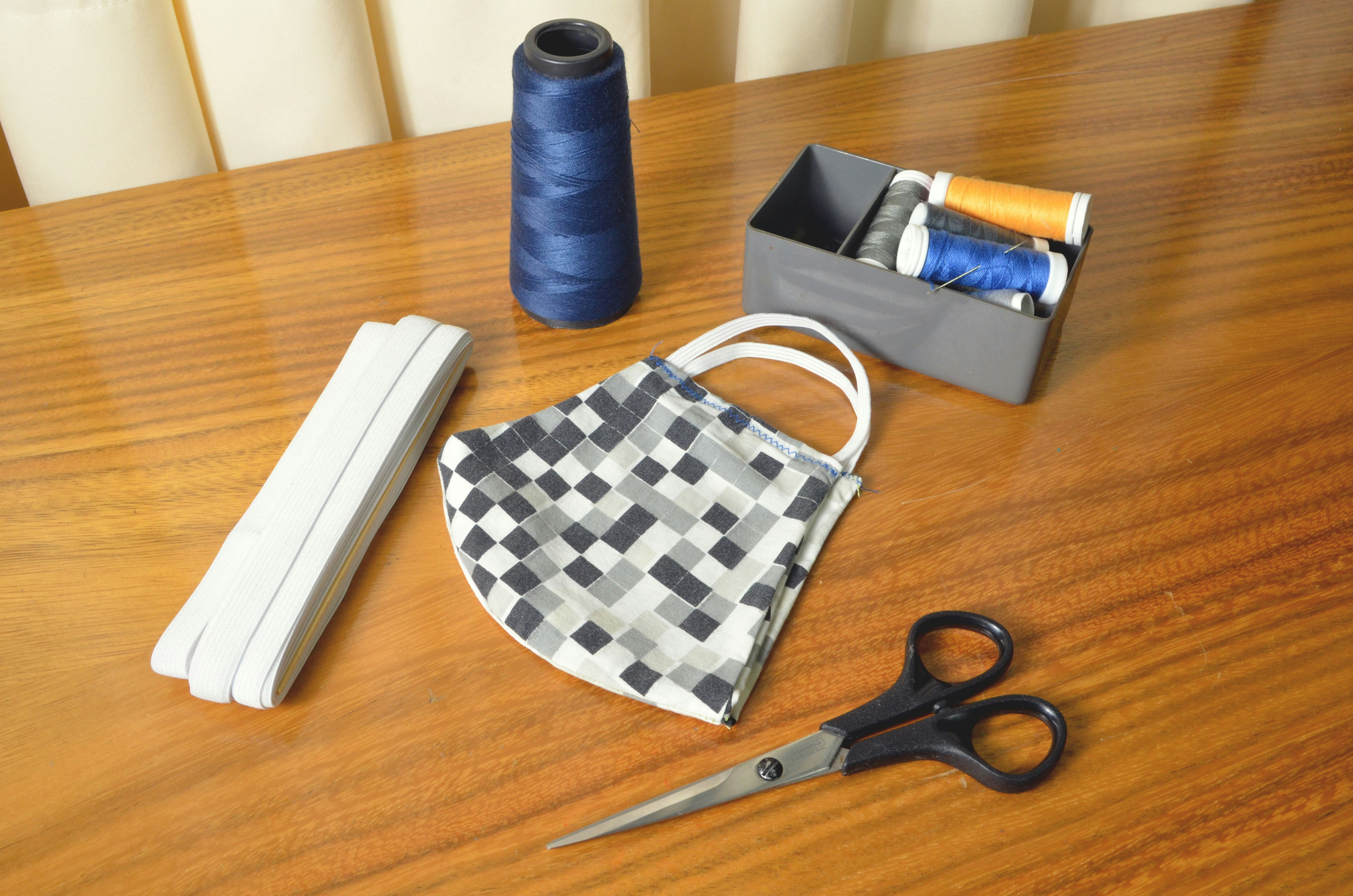
Have you ever wanted leggings that truly reflect your personality and style? Designing your own leggings at home is a fantastic way to express your creativity and move beyond mass-produced designs. It's not just about unique fashion; it's about comfort, fit, and making a statement that is authentically you.
I'm here to guide you through the exciting process of creating personalized leggings, from choosing the right fabric to marketing your unique creations. Let's delve into how you can design your own leggings and turn your creative vision into wearable art.
Key Takeaways
- Embrace Self-Expression: Custom leggings are a powerful tool for personal expression, allowing you to showcase your unique personality, values, and interests in a world of mass-produced fashion.
- Understand Your Options: You can create custom leggings through two primary methods: the hands-on DIY sewing approach, which offers total control over fit and materials, or the streamlined print-on-demand (POD) model, which is ideal for selling unique designs online without holding inventory.
- Fabric is Foundational: For DIY leggings, the choice of fabric is critical. Materials with four-way stretch and good recovery, like nylon/spandex or polyester/spandex blends, are essential for comfort, durability, and a non-see-through finish.
- Leverage Design Tools: Whether you're a beginner or a pro, a wealth of digital tools can help bring your vision to life. Beginner-friendly software like Canva and Kittl offer easy-to-use interfaces, while advanced programs like Adobe Illustrator and Photoshop provide professional-level control for creating intricate, seamless patterns.
- Strategic Marketing is Key: For those looking to sell their creations, success hinges on more than just a great design. Effective marketing involves identifying a niche, researching competitors, creating high-quality mockups, and leveraging social media and SEO to connect with your target audience.
Unleash Your Inner Designer: Why I Choose to Design My Own Leggings
In a world dominated by fast fashion and fleeting trends, the decision to design my own leggings is an act of reclaiming individuality. It's about moving past the rack of generic, one-size-fits-all options and creating something that is a true extension of my personal style and values. This journey is more than just about crafting a piece of clothing; it's about wearing your story, your art, and your confidence.
The Power of Personal Expression Through Customization
Clothing has long been a form of self-expression, allowing us to communicate our identity, personality, and values without saying a word. Custom clothing elevates this concept by giving you direct control over the narrative. When you design your own leggings, you are the artist. You choose the colors, patterns, and symbols that hold personal meaning, turning a simple garment into a wearable statement. This process fosters a deeper connection to your clothing, as each piece becomes a reflection of your unique journey and interests.
Psychologically, wearing clothes that genuinely reflect our true selves can significantly boost confidence and feelings of authenticity. This phenomenon, known as enclothed cognition, suggests that our clothing choices can influence our thoughts and behaviors. By creating and wearing leggings that are tailored to your specific taste, you are not just making a fashion choice; you are empowering yourself and reinforcing your sense of self. Whether you want to spread positivity with an uplifting message, show support for a cause you believe in, or simply celebrate your interests, custom apparel is a powerful medium to do so.
Beyond Basic: How Custom Leggings Stand Out
Mass-produced leggings offer convenience, but they often lack uniqueness and a personal touch. Custom-designed leggings, by contrast, allow you to break free from this homogeneity and create something truly one-of-a-kind. The ability to control every aspect, from the initial design concept to the final product, means your leggings will stand out in a sea of sameness.
The advantages go beyond just aesthetics:
- Unique Designs: You have unlimited design possibilities. You can create intricate patterns, use personal photos, or develop a signature style that is impossible to find in stores.
- Superior Fit: For those who sew their own, a custom fit is a primary advantage. By tailoring the leggings to your exact measurements, you can eliminate common issues like gapping at the waist, bagging at the knees, or an uncomfortable length.
- Quality Materials: You have complete control over the fabric and materials used. This means you can select higher-quality, more durable fabrics than what is often found in fast-fashion items, resulting in a garment that lasts longer and looks better over time.
Ultimately, custom leggings become conversation starters. They are a visual representation of your creativity and identity, allowing you to showcase your personal style with pride.
Exploring the Benefits of Product Customization vs. Personalization
When entering the world of custom leggings, it's helpful to understand the distinction between two key concepts: customization and personalization. While often used interchangeably, they represent different levels of creative input for the customer.
| Feature | Product Customization | Product Personalization |
|---|---|---|
| Definition | The customer creates the design from the ground up, with a high degree of control (e.g., uploading their own artwork or pattern). | The customer modifies a pre-existing design with a limited set of options (e.g., adding a name, number, or choosing from a few colorways). |
| Creative Control | High. The user is the primary designer. | Low to medium. The user adjusts pre-set elements. |
| Typical Use Case | An artist uploading their painting to be printed on leggings. | A customer adding their monogram to a pair of leggings with a pre-made floral design. |
| Pros for Business | Attracts highly creative customers; allows for truly unique products; fosters a strong sense of ownership for the customer. | Easy to automate; less room for user error; streamlined production process; appeals to a broader audience wanting a "personal touch." |
| Cons for Business | Requires more robust design software for the user; potential for low-quality user uploads; more complex order fulfillment. | Less unique; may not satisfy customers seeking full creative freedom. |
Both approaches cater to the consumer's desire for individuality. Offering customization empowers users to become active participants in the creative process, which can lead to higher satisfaction and brand loyalty. Personalization, on the other hand, provides a simpler, more accessible way for customers to make a product "their own" without needing design skills. For a legging business, offering a mix of both can be a powerful strategy to cater to different customer needs.
My Step-by-Step Guide to Design Your Own Leggings with Print-on-Demand
The print-on-demand (POD) model has revolutionized the custom apparel industry. It allows creators to design products and sell them online without ever handling inventory, printing, or shipping. A third-party supplier, like Printify, handles all the logistics. When a customer buys your leggings, the order is automatically sent to the print provider, who produces the garment and ships it directly to the customer. This low-risk approach is perfect for artists, designers, and entrepreneurs who want to bring their creative visions to life.
Step 1: Identifying Your Niche and Style for Designing Leggings
Before you design anything, you need to know who you're designing for. The leggings market is vast, so finding a specific niche is crucial for standing out. A niche is a focused, targetable segment of the market. Instead of "leggings for women," think more specifically: "celestial-themed yoga leggings for astrologers," "book-patterned leggings for librarians and authors," or "retro-futuristic leggings for gamers."
To find your niche, consider:
- Your Passions: What topics or hobbies do you love? Designing for a community you're already a part of gives you an authentic voice and insight.
- Market Trends: What styles are popular right now? Look at platforms like Pinterest, Instagram, and Etsy to see what's trending. Are people searching for minimalist designs, bold florals, gothic patterns, or abstract art?
- Profitability: Is there a customer base for your chosen niche that is willing to spend money? Look for communities with active online presences and a passion for novelty products.
Once you have a niche, define your style. Will your brand be known for bright and colorful designs, dark and edgy graphics, or elegant and sophisticated patterns? A consistent style will make your brand instantly recognizable.
Step 2: Selecting and Customizing Products with Printify
Printify is a popular POD platform that connects you with a large network of print providers. This gives you a wide selection of products, price points, and shipping locations to choose from. Their catalog includes various types of leggings, from standard and high-waisted to yoga styles and options with pockets.
Utilizing Printify's Product Creator for Unique Designs
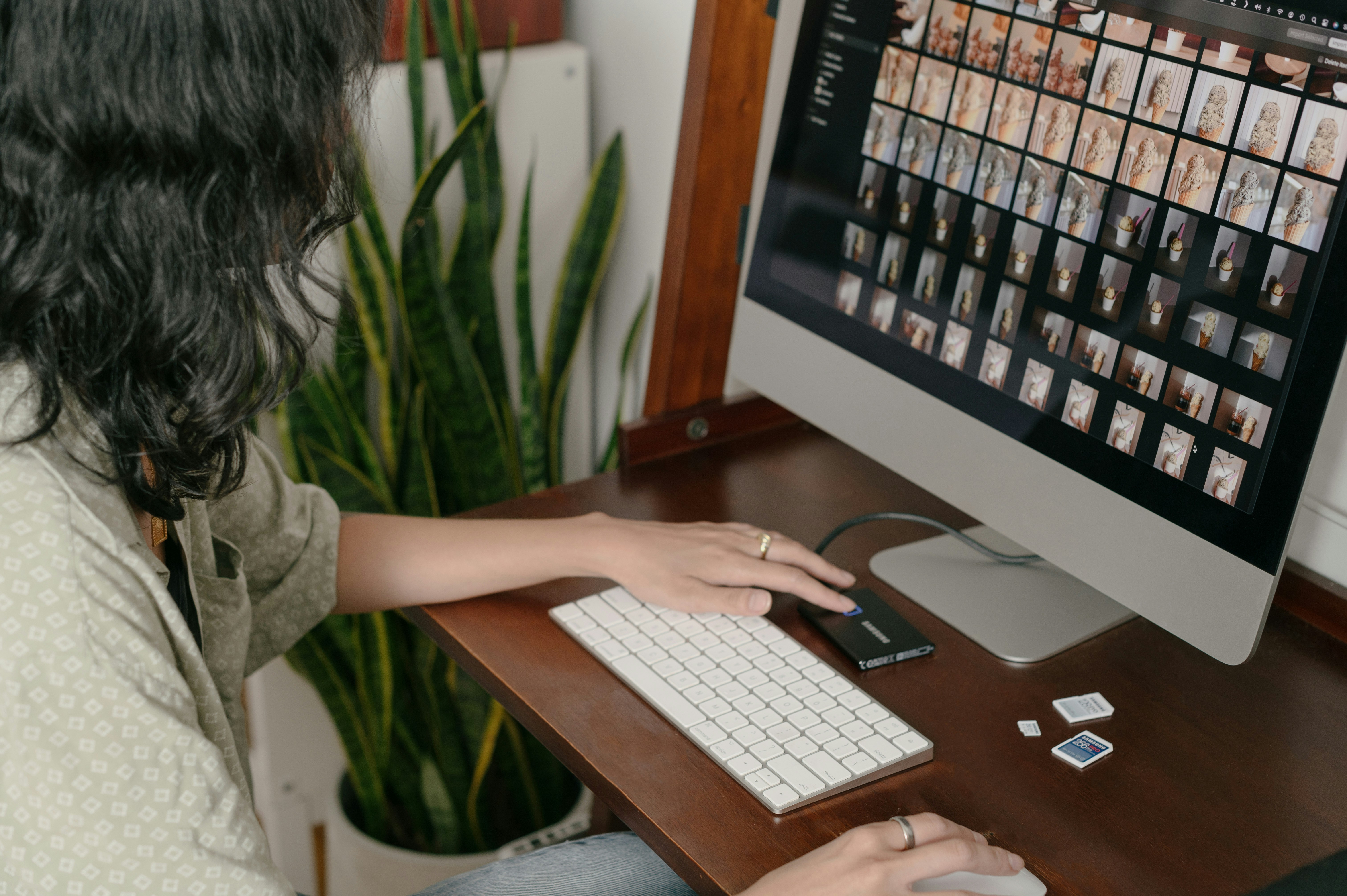
Printify's free Product Creator (previously known as the Mockup Generator) is a user-friendly tool that makes it easy to apply your designs to leggings.
The process is straightforward:
- Choose Your Product: Select the type of leggings you want to sell from the catalog. Pay close attention to the material, print areas (all-over print is standard for leggings), and manufacturer reviews.
- Upload Your Design: You'll upload your pattern or artwork. For leggings, this should be a high-resolution image file (PNG or JPEG) designed to be a seamless, repeating pattern. The tool will show you a 3D preview of how the design wraps around the legs.
- Position and Scale: You can adjust the scale of your pattern, making the elements larger or smaller. You can also drag the design to ensure key elements aren't cut off at the seams.
- Generate Mockups: Once you're happy with the placement, the tool will generate mockups—product photos with your design on them—that you can use on your storefront.
Offering Personalization Options for Your Leggings
While Printify doesn't have a built-in feature for customer-side text personalization on all products, you can still offer it through a manual or semi-automated process, especially when integrated with platforms like Etsy or Shopify.
Here's a common workflow for Etsy:
- Enable Personalization in Your Etsy Listing: When creating the product listing on Etsy, switch on the "Personalization" option. Add clear instructions for the customer, such as "Enter the name you'd like printed (max 12 characters)."
- Create a Design Template: In your design software (like Canva or Photoshop), create your legging pattern with a blank space or a designated area for the custom text.
- Manually Add the Text: When an order comes in with a personalization request, you'll open your template, add the customer's requested text, and export the new design file.
- Update the Order in Printify: In your Printify dashboard, find the order (it will come through as "On Hold"). Click on the order, edit the design, and upload the new personalized file. Once you've confirmed the new design, manually approve the order for production.
This process adds an extra step but allows you to offer highly-valued personalized products that can command a higher price.
Step 3: Choosing the Best Sales Channel to Sell Your Leggings
With your designs ready, you need a place to sell them. Printify integrates seamlessly with several major eCommerce platforms. The two most popular choices are Etsy and Shopify.
| Platform | Best For | Pros | Cons |
|---|---|---|---|
| Etsy | Beginners, artists, and those targeting a niche audience. | Huge, built-in marketplace of buyers actively looking for unique and handmade items; Easy and quick to set up; Lower upfront cost. | Transaction and listing fees; Less control over branding and store policies; You are competing directly against other sellers on the same site. |
| Shopify | Entrepreneurs wanting to build a long-term, scalable brand. | Complete control over your store's branding, design, and customer experience; No transaction fees (besides payment processing); Powerful marketing and analytics tools. | Monthly subscription fee; Requires you to drive all of your own traffic to the store. |
| WooCommerce | Those who want to use the WordPress ecosystem. | Runs on your own WordPress site, giving you ultimate control; Open-source and highly customizable with thousands of plugins. | Can be more technical to set up and maintain; You are responsible for your own hosting and security. |
For many new sellers, Etsy is the ideal starting point due to its established audience. You can always expand to a Shopify store later as your brand grows.
Step 4: Building an Engaging Storefront for Your Personalized Leggings
Your storefront is your brand's home. It needs to be professional, trustworthy, and engaging to turn browsers into buyers.
- High-Quality Mockups: Your product images are the most important part of your listing. Use the mockups generated by Printify, but also consider ordering samples and taking your own lifestyle photos. Show the leggings being worn by different body types in relevant settings (e.g., a yoga studio, a park, a coffee shop).
- Compelling Product Descriptions: Don't just list features; sell a feeling. Describe the soft, stretchy fabric, the vibrant, fade-resistant print, and how the leggings will make the customer feel confident and stylish. Use keywords related to your niche and style to improve your search visibility.
- Clear and Complete Policies: Fill out your shop's policies for shipping, returns, and exchanges. Even though the print provider handles shipping, customers need to know what to expect. Be transparent about production and shipping times.
- A Strong "About" Section: Tell your story. Why did you start designing leggings? What inspires your designs? Connecting with customers on a personal level builds trust and brand loyalty.
Step 5: Pricing Your Custom Leggings for Profit and Success
Pricing is a delicate balance between covering your costs, being competitive, and reflecting the value of your unique designs.
To price your leggings, consider all of your expenses:
- Base Product Cost: This is what Printify charges you to produce the leggings. This cost varies by provider.
- Shipping Cost: This is the cost to ship the item to the customer. Offer free shipping if you can by rolling this cost into your retail price, as it's a major draw for online shoppers.
- Platform Fees: Etsy and Shopify have fees. Etsy takes a percentage of the total sale price (including shipping) as a transaction fee, plus listing fees. Shopify has a monthly subscription and payment processing fees.
- Design and Marketing: While not a per-item cost, you need to account for the time you spend designing and the money you might spend on advertising.
Example Pricing Breakdown:
- Printify Leggings Cost: $22.00
- Shipping Cost: $5.00
- Total Cost to You: $27.00
- Platform Fees (e.g., ~10% for Etsy): $5.50
- Desired Profit: $15.00
Retail Price = $27.00 + $5.50 + $15.00 = $47.50
In this scenario, you might price the leggings at $47.99 or a similar psychological price point. Always research what competitors in your niche are charging to ensure your price is reasonable for the market. Don't be afraid to price higher if your designs are truly unique and your brand presentation is professional.
Crafting Your Leggings: The Hands-On Approach to Design Your Own Leggings
For those who love the craft of sewing and want ultimate control over their garments, making leggings from scratch is an immensely satisfying project. This hands-on approach allows you to tailor the fit, fabric, and construction to your exact preferences, creating a truly bespoke piece of athletic or casual wear. It's a journey from a flat piece of fabric to a perfectly fitted garment made by you, for you.
Fabric Selection: The Foundation of Your Custom Leggings
The fabric is arguably the most critical component of a great pair of leggings. The right material will provide comfort, opacity, durability, and the necessary stretch for a full range of motion.
Understanding Stretch and Recovery for Optimal Comfort
When shopping for legging fabric, you'll encounter two key terms: stretch and recovery.
- Stretch: This refers to how much the fabric can elongate when pulled. For leggings, you need four-way stretch, meaning the fabric stretches both crosswise (from selvage to selvage) and lengthwise (parallel to the selvage). This allows the fabric to move with your body in every direction, crucial for activities like yoga, running, or simply bending down. Two-way stretch fabrics, which only stretch in one direction, are not suitable for leggings.
- Recovery: This describes the fabric's ability to "snap back" to its original shape after being stretched. Poor recovery leads to a garment that becomes baggy and loses its shape over time, especially at the knees and seat. Look for fabrics that include a good percentage of elastane (also known as Spandex or Lycra) — typically at least 15-25% — to ensure excellent recovery.
To test a fabric's stretch, use a ruler. A 4-inch piece of fabric should comfortably stretch to at least 6 inches for 50% stretch, which is a good minimum for leggings.
Comparing Popular Legging Fabrics: Cotton vs. Nylon Spandex
Different fabric blends offer different properties. Choosing the right one depends on the intended use of your leggings.
| Fabric Type | Composition | Best For | Pros | Cons |
|---|---|---|---|---|
| Cotton/Spandex | ~90-95% Cotton, 5-10% Spandex | Loungewear, casual daily wear | Very soft, breathable, comfortable against the skin, generally opaque. | Absorbs moisture (gets heavy with sweat), can lose shape faster than synthetics, can fade. |
| Nylon/Spandex | ~80-85% Nylon, 15-20% Spandex | High-intensity workouts, running, hot yoga | Exceptionally durable and abrasion-resistant, lightweight, moisture-wicking (pulls sweat away), silky feel, excellent recovery. | Can be more expensive, may feel less "natural" than cotton. |
| Polyester/Spandex | ~80-88% Polyester, 12-20% Spandex | General fitness, yoga, printed leggings | Excellent for holding vibrant, sublimated prints; durable and resistant to fading; moisture-wicking. | Can sometimes retain odor more than other fabrics; texture can vary widely by manufacturer. |
For athletic leggings, Nylon/Spandex and Polyester/Spandex blends are the industry standards due to their performance characteristics. For everyday, comfortable lounge leggings, a high-quality Cotton/Spandex blend is a cozy choice.
Precision in Pattern Making and Cutting to Design Your Own Leggings
An accurate pattern and precise cutting are non-negotiable for a professional-looking fit. Any inaccuracies here will be magnified in the final stretchy garment.
Pattern Options:
- Use a Commercial Pattern: Companies like Jalie, Fehr Trade, and Greenstyle Creations offer well-drafted and tested legging patterns. This is the best option for beginners.
- Clone an Existing Pair: If you have a pair of leggings you love the fit of, you can carefully deconstruct them (if they're old) or trace them to create a pattern.
- Draft Your Own: This is the most advanced option. It involves taking detailed body measurements (waist, hips, inseam, thigh, calf, ankle) and using them to draft a pattern from scratch.
Cutting Tips:
- Use the Right Tools: Scissors can distort stretch fabrics. A rotary cutter and a self-healing cutting mat are game-changers. They allow you to cut cleanly and accurately without lifting or stretching the fabric.
- Use Pattern Weights: Instead of pins, which can snag and distort knits, use pattern weights to hold your pattern pieces in place on the fabric.
- Mind the Grainline: Pay close attention to the "greatest degree of stretch" (GDOS). For most four-way stretch fabrics, this is the crosswise grain. Your pattern pieces should be laid out so that the GDOS runs around the body (widthwise) for the best fit.
Mastering the Sewing Process for a Professional Finish
Sewing with stretch fabrics can be intimidating, but with the right techniques and tools, it's very manageable.
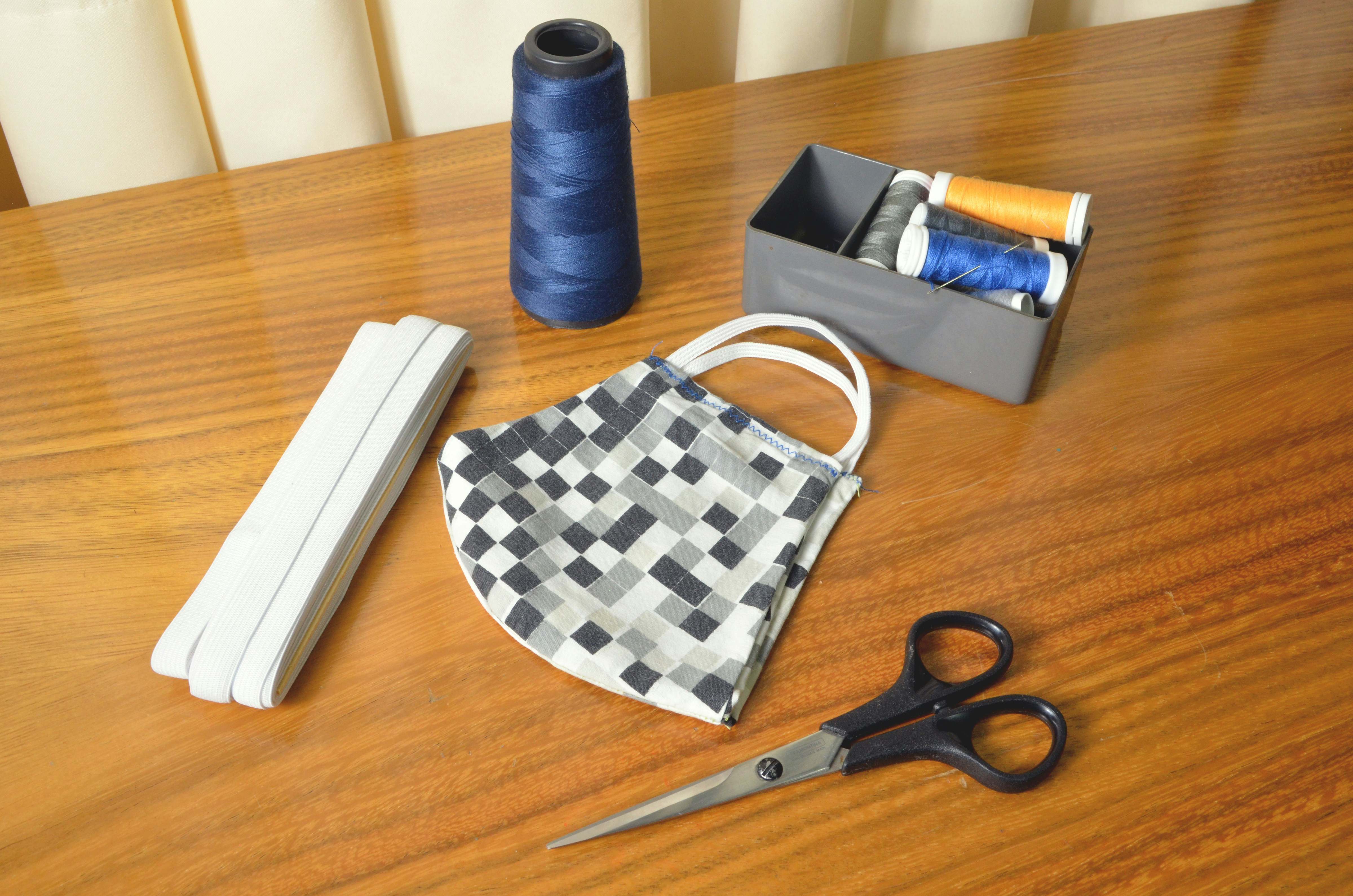
- Needles and Thread: Always use a ballpoint or stretch needle. These needles have a rounded tip that pushes the fabric fibers apart instead of piercing and breaking them, which prevents skipped stitches and holes. Polyester or woolly nylon thread in the looper of a serger provides excellent stretch.
- The Right Machine:
- Serger (Overlocker): This is the ideal machine for sewing leggings. It trims the seam allowance, sews the seam, and finishes the edge all in one step, creating a durable and highly elastic seam just like those on store-bought activewear.
- Regular Sewing Machine: You can absolutely sew beautiful leggings on a standard sewing machine. You must use a stretch stitch. Common options include a narrow zig-zag stitch, a triple stretch stitch, or a lightning bolt stitch. Always test your stitch on a scrap piece of fabric first to make sure it stretches without popping the threads.
- Waistband Construction: The waistband is key to comfort. A wide, one-piece "yoga" waistband is often more comfortable than a simple elastic channel. You can insert wide elastic (1.5-2 inches) inside the yoga band for extra support or use a fabric with excellent recovery and skip the elastic altogether for a smoother look.
- Hemming: The easiest way to hem leggings is with a twin needle on a regular sewing machine, which creates two parallel lines of stitching on the top and a zig-zag on the bottom, allowing the hem to stretch.
Additional Tips for a Truly Bespoke Legging Design
Once you've mastered the basic construction, you can start adding custom details to make your leggings unique.
- Add Pockets: Side leg pockets large enough for a phone are a highly functional and popular feature. You can find tutorials and pattern add-ons for these online.
- Incorporate Mesh Panels: Cutouts with athletic mesh panels can add ventilation and a stylish, edgy look.
- Color-Blocking: Use different solid-color fabrics for different pattern pieces to create geometric and flattering designs.
- Decorative Topstitching: Use a coverstitch machine or a twin needle to add decorative and reinforcing topstitching along the seams for a professional, athletic-wear finish.
Tools and Strategies to Design Your Own Leggings Professionally
Whether you're selling through print-on-demand or planning to print your own fabric for a DIY project, creating a professional and appealing design is paramount. This requires the right software for your skill level and a solid marketing strategy to ensure your creations find an audience.
Exploring T-Shirt Design Software for Legging Graphics
Many tools marketed for T-shirt design are also perfectly suited for creating the repeating patterns needed for leggings. These range from incredibly user-friendly web-based apps to powerful professional-grade software.
Beginner-Friendly Options: Printful's Design Maker, Canva, and Kittl
For those just starting, you don't need expensive or complex software.
- Printful's Design Maker: Similar to Printify's tool, this is a simple, integrated solution. It's great for basic layouts, adding text, and using their library of clipart. The primary benefit is its seamless workflow within the Printful ecosystem.
- Canva: Canva is a powerhouse for beginner designers. It has a massive library of elements, fonts, and graphics that you can use to build patterns. You can create a custom-sized canvas (e.g., 5000x5000 pixels), arrange your elements, and export a high-resolution PNG or JPEG file. Its intuitive drag-and-drop interface makes it easy to experiment with different compositions.
- Kittl: Kittl is a fantastic browser-based alternative that excels at more complex designs. It offers advanced features like text-warping, vintage textures, and a huge library of illustrated elements. For leggings, Kittl is great for creating intricate, thematic designs (like retro, mystical, or grunge styles) that look highly professional.
Advanced Tools for Intricate Designs: Adobe Photoshop and Illustrator
For full creative control and industry-standard results, Adobe's suite is unbeatable.
- Adobe Illustrator: This is the ultimate tool for creating legging patterns. Because Illustrator is a vector-based program, your designs can be scaled to any size without losing quality. This is crucial when creating a pattern that needs to be tiled seamlessly across a large area of fabric. Illustrator's pattern-making tool allows you to create and edit repeating patterns in real-time, ensuring there are no awkward gaps or seams in your final design.
- Adobe Photoshop: While Illustrator is best for creating scalable vector elements, Photoshop is a raster-based program that excels at manipulating photographs and textures. If you want to create leggings with a photographic print (like a galaxy or a landscape) or apply complex, painterly textures, Photoshop is your go-to. You can also use it to create seamless patterns, though Illustrator's tools are generally considered more precise for this specific task.
Marketing Your Custom Leggings: Tips for Success
A great product is only half the battle; you also need to market it effectively.
Researching Competitors to Refine Your Legging Designs
Before you finalize your collection, spend time analyzing your competition. Search on Etsy, Instagram, and Google for leggings in your chosen niche.
Pay attention to:
- Popular Themes and Styles: What patterns are selling well? Are there any colors or motifs that appear frequently?
- Pricing Strategies: What is the price range for similar quality leggings? This will help you position your products competitively.
- Photography and Branding: How are they presenting their products? Note the style of their mockups, lifestyle photos, and the overall voice of their brand.
- Gaps in the Market: What are they not doing? Is there a niche that is underserved? Could you offer a style, size range, or feature (like pockets) that is hard to find? This analysis can help you differentiate your brand.
Leveraging High-Quality Mockups and Social Media
In online retail, your images do the selling.
- Use High-Quality Mockups: Your first point of contact with a customer is a product image. Use clean, bright, and high-resolution mockups. Services like Placeit offer thousands of photorealistic mockups where you can place your design on a model in various settings. This is a fast and cost-effective way to create a professional-looking product catalog.
- Build a Social Media Presence: Choose platforms where your target audience is active.
- Pinterest is a visual discovery engine, perfect for fashion and design. Create beautiful pins linking directly to your product pages.
- Instagram is ideal for building a brand image. Post a mix of mockup images, lifestyle photos (if you have samples), and behind-the-scenes content showing your design process. Use relevant hashtags to increase discoverability.
- TikTok is powerful for showcasing the product in a dynamic way. Short videos showing the leggings' stretch, features, or styling possibilities can go viral and drive significant traffic.
Optimizing for SEO and Analyzing Sales Results
Search Engine Optimization (SEO) is the process of making your store and products more visible in search results on platforms like Google and Etsy.
- Use Keywords: Think like your customer. What words would they use to find your leggings? Use these keywords in your product titles, descriptions, and tags. Instead of a title like "Cool Leggings," use a descriptive title like, "High-Waisted Celestial Yoga Leggings, Witchy Moon Phase Workout Tights for Women."
- Write Detailed Descriptions: Use your product description to answer any questions a customer might have about fit, fabric, care instructions, and shipping times. A well-informed customer is more likely to make a purchase.
- Analyze Your Data: Pay attention to your sales data. Which designs are your bestsellers? Which ones aren't getting much attention? Use this information to guide future design decisions. If a particular style or theme is a hit, create more designs in that vein.
Frequently Asked Questions (FAQs)
Q: What is the best fabric for non-see-through leggings? A: Opacity is a major concern. To ensure your leggings aren't see-through, choose a heavier weight fabric (at least 250-300 GSM - grams per square meter). Synthetic blends like Nylon/Spandex and Polyester/Spandex are generally more opaque and perform better during squats and bends than Cotton/Spandex. A high-quality, dense knit is key. When in doubt, order a fabric swatch to test it yourself by stretching it and holding it up to the light.
Q: Do I really need a serger to sew my own leggings? A: No, you don't need a serger, but it is highly recommended for a professional and durable finish. A serger creates a stretchable seam that is ideal for activewear. However, you can sew excellent leggings with a regular sewing machine by using a stretch needle (like a ballpoint or stretch needle) and a stretch stitch. The most common options are a narrow zig-zag stitch or a special "lightning bolt" stretch stitch, which allows the seam to stretch with the fabric without popping.
Q: How much does it cost to start a print-on-demand legging business? A: The startup costs for a print-on-demand business are very low, which is one of its biggest advantages.
- Printify/Printful Subscription: Both have free plans that are perfect for starting out. You only pay for the products when a customer places an order.
- Etsy Store: It costs $0.20 to list an item for four months. There are no monthly fees.
- Shopify Store: This involves a monthly subscription, typically starting around $29/month after a free trial.
- Design Software: Tools like Canva have robust free versions. Therefore, you can realistically start an Etsy-based POD legging business for less than $5. Your main costs will be the product and shipping costs, which are covered by the customer's payment.
Q: What is the best file resolution and format for uploading designs for leggings? A: For all-over-print products like leggings, you need a high-resolution file to ensure the print is crisp and not pixelated. As a general rule, your design file should be at least 300 DPI (dots per inch). The pixel dimensions will depend on the print provider's template, but a canvas size of 4000x4000 pixels or larger is a good starting point. The best file formats are PNG (which supports transparent backgrounds) and JPEG. For seamless patterns, it is crucial that the design is created to repeat perfectly to avoid any obvious lines or breaks in the print.
Whether you're looking to create a single pair for yourself or start a thriving custom apparel business, the journey to design your own leggings is incredibly rewarding. From fabric choice to final stitches, I’ve found that each step allows for a personal touch. Creating something with your own hands or from your own imagination provides a unique sense of accomplishment and connection to your wardrobe.
Embrace the creative process, experiment with different designs and tools, and most importantly, have fun creating leggings that are uniquely yours. I hope this guide empowers you to confidently design your own leggings and bring your vision to life, whether it's through a needle and thread or a digital design file. Now go forth and create something amazing