A Guide to Selecting the Best Wholesale Yoga Clothes Suppliers
- Share
- Issue Time
- Nov 10,2025
Summary
A guide to selecting the best wholesale yoga clothes suppliers, covering fabric quality, certifications, MOQs, customization, and sustainable sourcing.
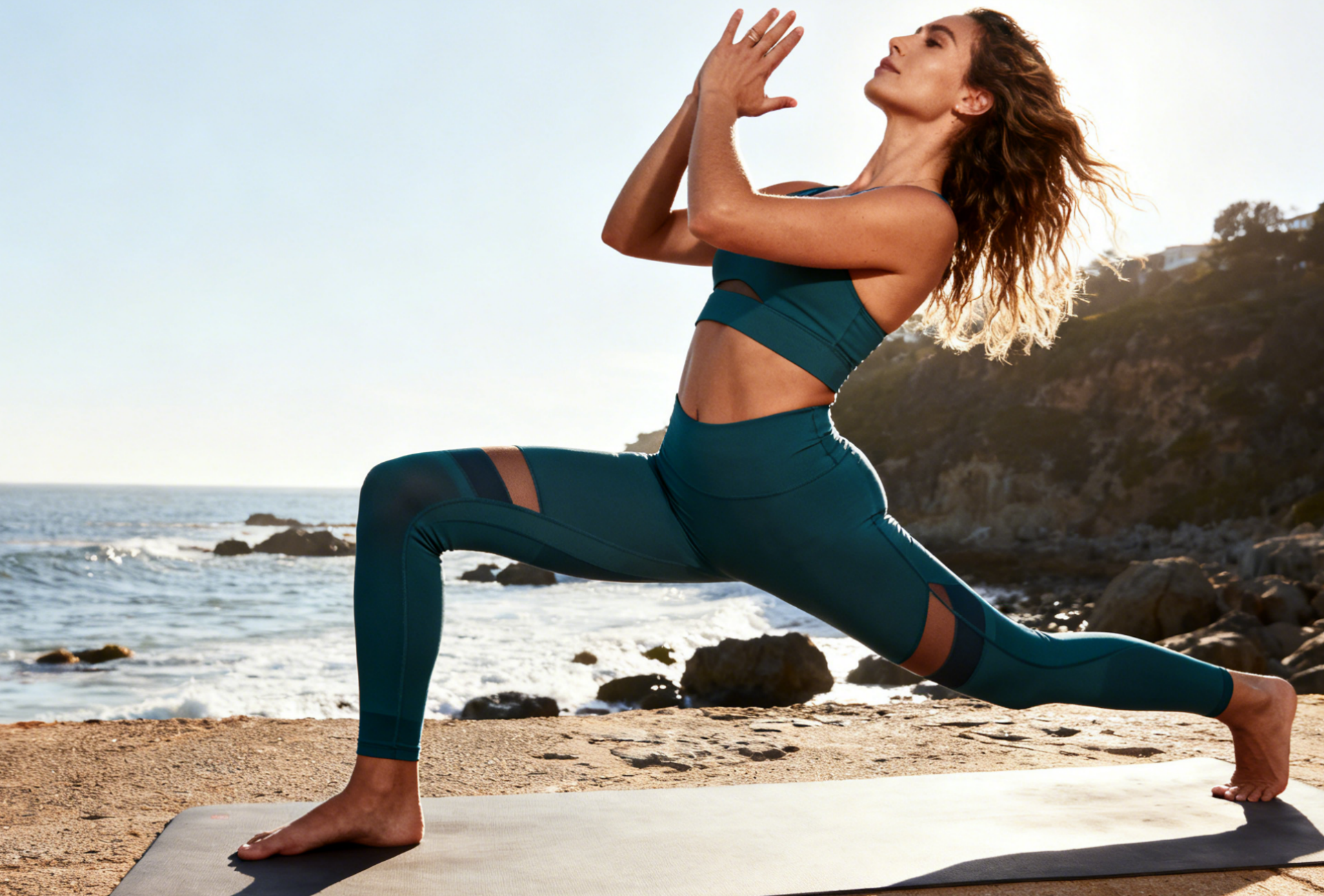
As the global yoga wear market experiences significant growth, choosing the right wholesale yoga clothes supplier becomes a critical cornerstone for your business's success. This decision is far more than a simple sourcing task; it's about forging a strategic partnership that directly influences your brand’s reputation, the efficiency of your supply chain, and the ultimate excellence of your products. This comprehensive guide will illuminate the key factors to consider, ensuring you find a reliable partner who not only meets diverse consumer demands but also aligns seamlessly with your brand's core values.
Key Takeaways
- Prioritize Fabric and Workmanship: The foundation of high-quality yoga wear lies in its material and construction. Focus on suppliers offering advanced, performance-oriented fabrics like nylon-spandex blends for stretch and polyester blends for moisture-wicking. Scrutinize stitching, favoring durable and comfortable options like flatlock seams.
- Verify Quality through Certifications and Samples: Don't take a supplier's claims at face value. Look for recognized industry certifications such as OEKO-TEX®, GOTS, and Bluesign® to ensure safety, sustainability, and quality standards. Always request samples to physically evaluate the fabric feel, construction, fit, and overall quality before committing to a bulk order.
- Assess Customization and Production Capabilities: Your supplier should be a partner in building your brand. Evaluate their customization options (private label, ODM, OEM), minimum order quantities (MOQs), and production lead times. A good partner offers flexibility and clear communication regarding their production timelines and capacity.
- Embrace Sustainability and Ethical Practices: Modern consumers are increasingly eco-conscious. Partner with suppliers who use sustainable materials (e.g., recycled polyester, organic cotton) and can provide evidence of ethical manufacturing practices through certifications like Fair Trade or SA8000.
- Foster Strong, Collaborative Relationships: A successful partnership is built on more than just transactions. Prioritize suppliers with excellent customer support, clear communication channels, and a willingness to build a long-term relationship. Check their reputation by asking for references and reading online reviews.
- Stay Aligned with Market Trends: The yoga wear market is dynamic. Work with a supplier who is attuned to current trends like the athleisure boom and the growing demand for size inclusivity. This ensures your product offerings remain relevant and appeal to a broad customer base.
Prioritizing Performance and Quality in Wholesale Yoga Clothes
The core of any successful yoga apparel brand is the quality of its products. In a market saturated with options, durability, comfort, and performance are the attributes that create customer loyalty. When selecting a wholesale supplier, your first priority should be to rigorously assess the materials they use and the craftsmanship they employ. High-quality garments not only provide a better user experience but also withstand the rigors of frequent use and washing, which ultimately reflects on your brand's reputation.
Assessing Fabric Technology and Workmanship for Wholesale Yoga Clothes
The feel and function of yoga wear begin with the fabric and how it's assembled. A supplier’s expertise in textile technology and construction techniques is a direct indicator of the final product's quality. This involves looking beyond basic materials to understand their performance characteristics and ensuring the stitching can handle the demands of active movement.
Beyond the Basics: Advanced Fabrics for Wholesale Yoga Clothes
Superior yoga clothing is crafted from performance fabrics engineered for comfort, durability, and functionality. While basic cotton is soft, it retains moisture, making it less suitable for active practices. Instead, look for suppliers who specialize in advanced fabric blends.
Key materials to look for include:
- Nylon and Spandex Blends: This combination is prized for its exceptional stretch, recovery, and durability. Nylon offers a soft, smooth feel and is resistant to abrasion, while spandex (often trademarked as Lycra) provides the 4-way stretch necessary for a full range of motion. A blend with 15-25% spandex is often ideal for achieving the perfect balance of flexibility and non-restrictive support.
- Polyester and Spandex Blends: Polyester is another workhorse in activewear, known for its durability, resistance to shrinking, and excellent moisture-wicking properties. It draws sweat away from the skin, allowing it to evaporate quickly, which is crucial for staying dry and comfortable during intense or heated yoga sessions.
- Specialty and Smart Fabrics: The market is continually evolving with new textile innovations. Some suppliers offer fabrics with enhanced features like compression for muscle support, antimicrobial treatments to reduce odor, or even eco-friendly materials like recycled polyester and nylon. Emerging smart textiles can even integrate sensors for posture feedback, representing the future of high-performance yoga wear.
Here's a comparison of common yoga wear fabrics:
| Fabric Type | Key Advantages | Best For | Considerations |
|---|---|---|---|
| Nylon-Spandex Blends | Soft, durable, excellent stretch and recovery, "second-skin" feel. | Dynamic yoga styles, leggings, sports bras. | Can be less breathable than natural fibers. |
| Polyester-Spandex Blends | Superior moisture-wicking, quick-drying, durable, holds color well. | Hot yoga, high-intensity workouts, running. | Can sometimes retain odor if not treated. |
| Cotton Blends | Very soft, breathable, natural feel. | Restorative yoga, casual wear, loungewear. | Absorbs and retains moisture; may lose shape. |
| Recycled Fabrics | Eco-friendly, reduces waste, offers similar performance to virgin polyester/nylon. | Building a sustainable brand identity. | May have a higher price point. |
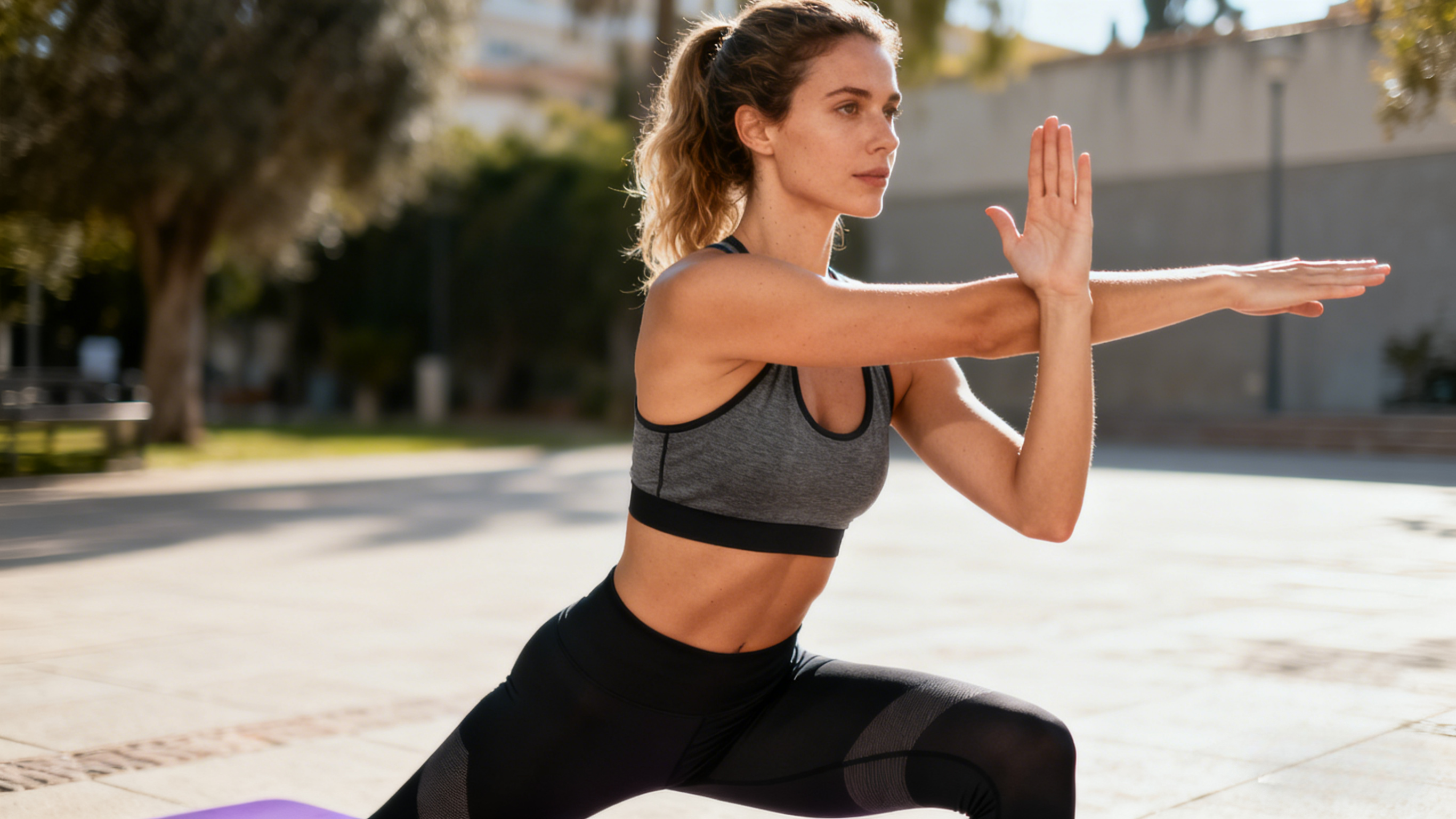
The Importance of Durable Stitching for Wholesale Yoga Clothes
Fabric is only part of the equation; the stitching that holds a garment together is equally crucial for longevity and comfort. Poorly constructed seams can lead to chafing, irritation, and garment failure, especially in high-stress areas. When evaluating a potential supplier, pay close attention to the type and quality of their seam construction.
The two main types of seams you'll encounter in activewear are:
- Flatlock Stitching: This is the premium choice for performance apparel. Flatlock seams are created by butting fabric edges together and sewing them flat, which eliminates bulky ridges that can rub against the skin. This makes them exceptionally comfortable, reduces chafing, and provides a clean, technical aesthetic often seen in high-end leggings and tops. While this method requires more skill and can be more costly, it adds significant value in terms of comfort and durability.
- Overlock Stitching: Also known as serging, this method wraps thread around the fabric's raw edge, joining the panels while preventing fraying. It's a fast, cost-effective, and strong seam type, making it a staple in mass garment production. However, it creates a raised seam on the inside of the garment, which can be less comfortable than a flatlock stitch during repetitive movements.
For yoga wear, where comfort and flexibility are paramount, suppliers who specialize in flatlock seams offer a superior product. Always check high-stress points like the crotch gusset, inseams, and waistbands to ensure the stitching is strong, consistent, and can stretch with the fabric without popping. The choice of thread is also important; high-quality, stretchable thread enhances the durability and flexibility of the seams.
Quality Control and Certifications for Wholesale Yoga Clothes
A supplier's commitment to quality extends beyond the production floor. Reputable manufacturers validate their processes and materials through independent certifications and have a transparent system for quality control. As a brand owner, it's your responsibility to verify these credentials to ensure product safety, consistency, and integrity.
Understanding Industry Certifications for Wholesale Yoga Clothes Suppliers
Certifications from independent, third-party organizations are a reliable indicator that a supplier adheres to specific quality, safety, and ethical standards. When evaluating potential partners, ask for proof of their certifications. Key labels to look for include:
- OEKO-TEX® STANDARD 100: This is one of the world's most recognized labels for textiles tested for harmful substances. If a product carries the STANDARD 100 label, it means that every component—from the fabric and thread to buttons and zippers—has been tested and found to be free of chemicals that could be harmful to human health. This certification provides consumer protection and ensures legal conformity with regulations like REACH in the EU.
- Global Organic Textile Standard (GOTS): This is the leading global standard for the organic status of textiles. GOTS certification guarantees not only that the fibers are organic but also that the manufacturing process is environmentally and socially responsible. To be certified, a product must contain at least 70% certified organic fibers, and all processing stages must meet strict criteria. It prohibits hazardous inputs like toxic heavy metals and promotes fair labor practices.
- ISO 9001: This certification relates to a manufacturer's quality management system. It indicates that the supplier has established processes to ensure consistent product quality and continuous improvement.
- Bluesign®: This standard takes a holistic approach by tracing the entire production path of a textile, minimizing its environmental impact and ensuring the final product is safe for consumers. It focuses on resource productivity, consumer safety, water emissions, air emissions, and occupational health & safety.
Verifying these certifications can give you confidence in a supplier's professionalism and commitment to producing high-quality, safe, and responsible apparel.
Requesting Samples to Verify Wholesale Yoga Clothes Quality
Never commit to a large bulk order without first obtaining and thoroughly evaluating product samples. Samples are your opportunity to physically inspect the quality of the apparel and ensure it meets your brand's standards before making a significant investment. They serve as a crucial bridge between your expectations and the final production reality.
When your samples arrive, conduct a comprehensive quality control check:
- Fabric Evaluation: Assess the feel, weight, and texture of the fabric. Does it match the description? Perform a stretch test to check for good recovery and a "squat test" for opacity. Wash the sample to check for colorfastness and shrinkage.
- Stitching and Seam Inspection: Turn the garment inside out to examine the seams. Look for consistent, even stitching with no loose threads or puckering. Apply gentle pressure to the seams to test their strength.
- Fit and Sizing Check: Try the garment on or use a fit model to evaluate its comfort, movement, and adherence to your specified measurements. Ensure the sizing is consistent with what you requested.
- Finishing Details: Inspect zippers, buttons, labels, and hems. Small details often reflect a manufacturer's overall attention to quality.
The cost of samples, which can range from $50 to over $200 per piece depending on complexity, is a necessary investment in risk mitigation. Clear, detailed feedback to your supplier after evaluation is essential for building a strong partnership and ensuring the final bulk order meets your exact specifications.
Navigating Customization and Production Capabilities for Wholesale Yoga Clothes
Finding a supplier with high-quality materials is just the beginning. To truly build a unique brand, you need a partner with the right customization options and production capabilities to bring your vision to life. This means assessing their ability to create products that are distinctively yours, understanding their production requirements, and ensuring their timelines align with your business goals. A supplier's flexibility and efficiency in these areas are critical for a successful, long-term partnership.
Customization Options for Your Wholesale Yoga Clothes Brand
To stand out in a crowded market, your products need a unique identity. This is where customization comes in. A good wholesale supplier will offer various levels of customization to help you create a product line that is truly your own. Understanding these options is key to choosing the right partner.
- White Label (Stock Items): This is the most basic option. The manufacturer produces generic, unbranded yoga wear that you can purchase and add your own logo and branding to. It's a fast and low-cost way to get to market, especially for new businesses or those needing products for events. The downside is that the designs are not exclusive, and other brands may be selling the exact same garments.
- Private Label (ODM - Original Design Manufacturer): This model offers a middle ground. The manufacturer provides a catalog of base designs that you can modify to a certain degree. You might be able to choose specific colors, fabrics, or make minor adjustments to the design before adding your branding. Private labeling gives you more exclusivity than white label products and allows you to create a unique look without having to invest in the entire design process from scratch. It's a great option for brands that want more control and a unique identity.
- Full Customization (OEM - Original Equipment Manufacturer): This offers the highest level of control. You provide the manufacturer with your own unique designs and detailed technical specifications (tech packs), and they produce the garments exclusively for you. This model is ideal for established brands with a strong design vision who want to create completely proprietary products. While it requires the most significant investment in time and resources, it provides the greatest competitive advantage.
A versatile manufacturer like Bloomto Yoga Wear Manufacturer is an example of a partner that can offer a range of these services, allowing your brand to scale from simple private labeling to fully custom OEM production as you grow.
The best choice depends on your brand's stage, budget, and long-term goals.
| Customization Model | Level of Control | Speed to Market | Cost & Investment | Best For |
|---|---|---|---|---|
| White Label | Low (Branding only) | Fastest | Lowest | Startups, promotional items, testing the market. |
| Private Label (ODM) | Medium (Modify existing designs) | Moderate | Moderate | Brands wanting a unique look with less design overhead. |
| Full Custom (OEM) | High (Create from scratch) | Slowest | Highest | Established brands with a unique design identity. |
Understanding Minimum Order Quantities (MOQs) for Wholesale Yoga Clothes
The Minimum Order Quantity (MOQ) is the smallest number of units a supplier is willing to produce in a single order. MOQs are a crucial factor for any business, especially startups, as they directly impact inventory investment and financial risk. Suppliers set MOQs to ensure their production runs are efficient and profitable enough to cover setup costs, such as machinery calibration and fabric sourcing.
MOQs can vary significantly based on:
- The Supplier: Large factories often have higher MOQs than smaller workshops.
- The Product's Complexity: Simple items like t-shirts may have lower MOQs than complex garments with many components.
- Customization: Fully custom (OEM) orders typically have higher MOQs than private label or white label orders because of the unique materials and patterns required. Fabric suppliers themselves have MOQs (e.g., a full roll of fabric), which influences the garment manufacturer's minimums.
For yoga wear, MOQs can range from 50-100 units per style/color for certain manufacturers, while others may require several hundred. While a high MOQ can be a barrier, it's often negotiable. Don't be afraid to discuss your needs with a potential supplier. Some may be willing to lower their MOQ for a first-time order to build a relationship, especially if you can demonstrate future growth potential. Other negotiation tactics include offering to pay a slightly higher price per unit for a smaller order or mixing and matching different products to meet a total order value.
Efficient Production and Lead Times for Wholesale Yoga Clothes
Lead time is the total time from when you place a purchase order until you receive the finished goods. This includes all stages: sourcing raw materials, sample development and approval, bulk production, quality control, and shipping. Understanding and planning for lead times is essential for managing your inventory, planning marketing campaigns, and meeting launch dates.
Typical lead times in the garment industry can range widely:
- Material Sourcing: Can take 10-15 days or longer if custom fabrics need to be milled and dyed.
- Sampling: Each round of samples can take 1-2 weeks. Multiple rounds are common.
- Bulk Production: Usually takes 30-45 days, but can be longer depending on order size and complexity.
- Shipping: Varies from a few days to several weeks depending on the mode of transport and distance.
On average, a full production cycle for a wholesale yoga clothing order can take anywhere from 45 to 90 days. European suppliers might offer shorter lead times of 4-10 weeks, while suppliers in Asia may take 10-18 weeks.
When discussing lead times with a potential supplier, be sure to get a detailed breakdown of each stage in a "Time and Action" (TNA) calendar. This will help you track progress and identify potential bottlenecks. Clear communication, providing detailed tech packs early, and prompt approval of samples can all help to keep production on schedule.
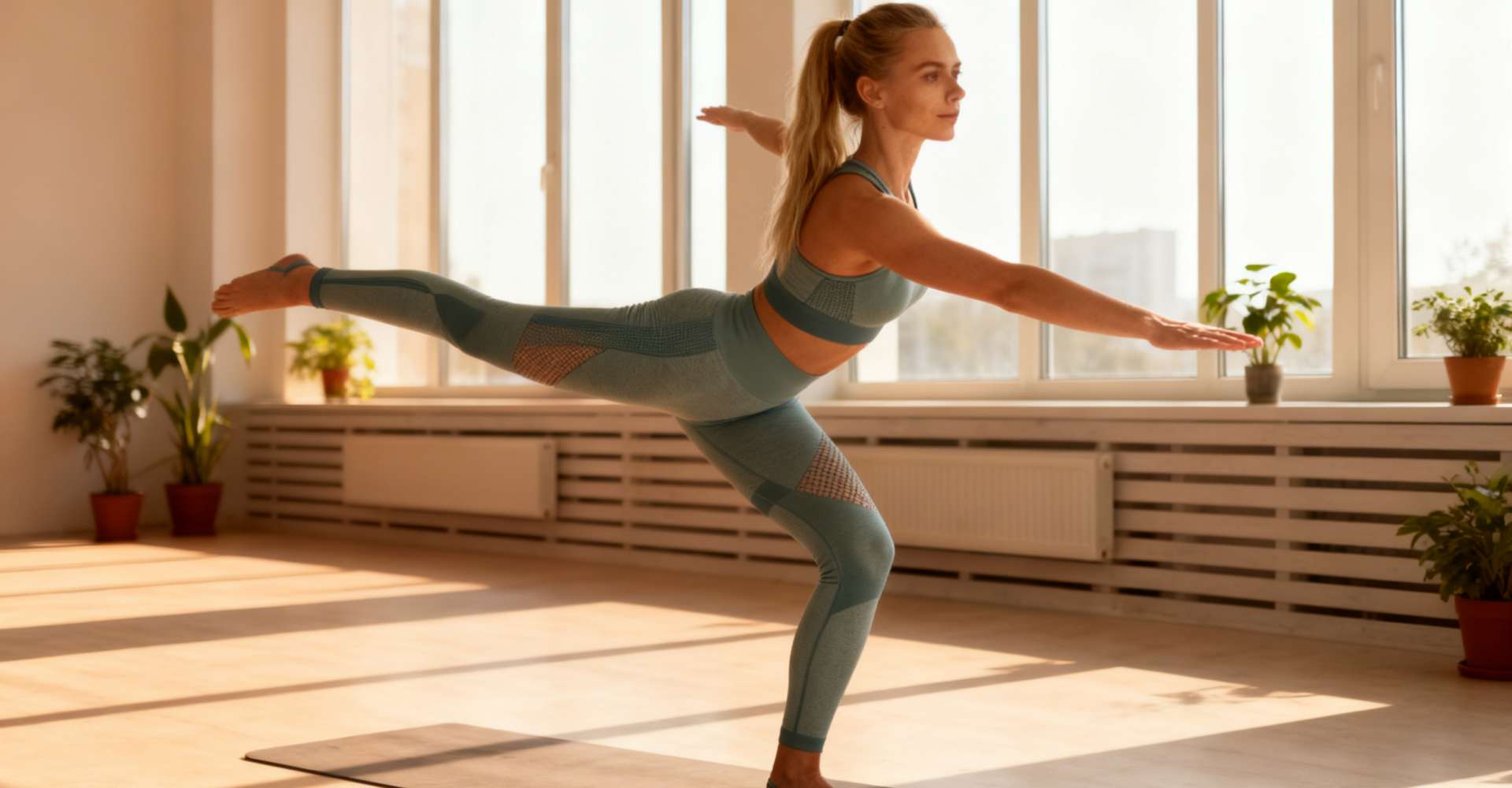
Embracing Sustainability and Ethics in Wholesale Yoga Clothes Sourcing
In today's conscious consumer market, the story behind your products is just as important as the products themselves. Aligning your brand with sustainable materials and ethical manufacturing practices is no longer a niche trend but a core expectation. Choosing a wholesale supplier who shares these values can significantly enhance your brand's reputation, appeal to a growing demographic of eco-aware consumers, and contribute positively to the planet and its people.
Identifying Eco-Friendly Materials for Wholesale Yoga Clothes
The foundation of sustainable apparel is the material it's made from. When vetting suppliers, inquire about their range of eco-friendly fabrics. These materials reduce environmental impact by conserving resources, minimizing pollution, and diverting waste.
Key sustainable fabrics to look for in yoga wear include:
- Recycled Polyester (rPET): This high-performance fabric offers the same moisture-wicking and durability as virgin polyester but with a significantly smaller environmental footprint. It is made from post-consumer plastic bottles, which diverts waste from landfills and oceans and consumes less energy to produce.
- Recycled Nylon: Similar to recycled polyester, this material is often produced from pre- and post-consumer waste like fishing nets and industrial plastic. It retains the strength and elasticity of virgin nylon, making it ideal for durable and stretchy activewear.
- Organic Cotton: Grown without the use of harmful pesticides and synthetic fertilizers, organic cotton is better for soil health, water quality, and the farmers who cultivate it. While it's highly breathable and soft, it's best for low-intensity yoga or loungewear as it absorbs moisture. Blends with spandex can improve its stretch.
- Bamboo Viscose: Bamboo is a fast-growing, renewable resource that requires little water and no pesticides. Fabric made from bamboo is known for its incredible softness and natural breathability. However, it's important to ensure it's processed in a closed-loop system to minimize chemical use.
- Hemp: Considered a highly sustainable crop, hemp requires minimal water and no pesticides to grow, and it even improves soil health. Hemp fabric is durable, breathable, and naturally antimicrobial.
| Eco-Friendly Fabric | Sustainability Benefit | Performance Notes |
|---|---|---|
| Recycled Polyester | Reduces plastic waste and energy consumption. | Excellent durability and moisture-wicking. |
| Organic Cotton | Avoids pesticides, improves soil health. | Soft, breathable, hypoallergenic; best for gentle yoga. |
| Bamboo Viscose | Fast-growing, renewable resource. | Very soft and breathable; natural antibacterial properties. |
| Hemp | Requires little water or pesticides; improves soil. | Highly durable, breathable, and antimicrobial. |
Verifying Ethical Manufacturing Practices for Wholesale Yoga Clothes Suppliers
An ethical supply chain ensures that the people who make your clothes are treated with dignity and respect. This goes beyond simple compliance and involves a commitment to fair wages, safe working conditions, and fundamental human rights. Verifying these practices is crucial for brand integrity.
Ways to verify a supplier's ethical standards include:
- Direct Questions and Transparency: Ask potential suppliers about their labor practices. A transparent manufacturer should be willing to share information about worker wages, hours, and safety protocols. Supply chain transparency is a foundational pillar of ethical manufacturing.
- Third-Party Audits: The most effective way to verify practices is through independent, third-party audits. These audits assess a factory's compliance with global social standards. Combining these audits with your own unannounced visits can provide a clear picture of daily operations.
- Social Accountability Certifications: Look for suppliers who hold certifications that specifically address labor rights and social welfare. These serve as independent verification of their commitment.
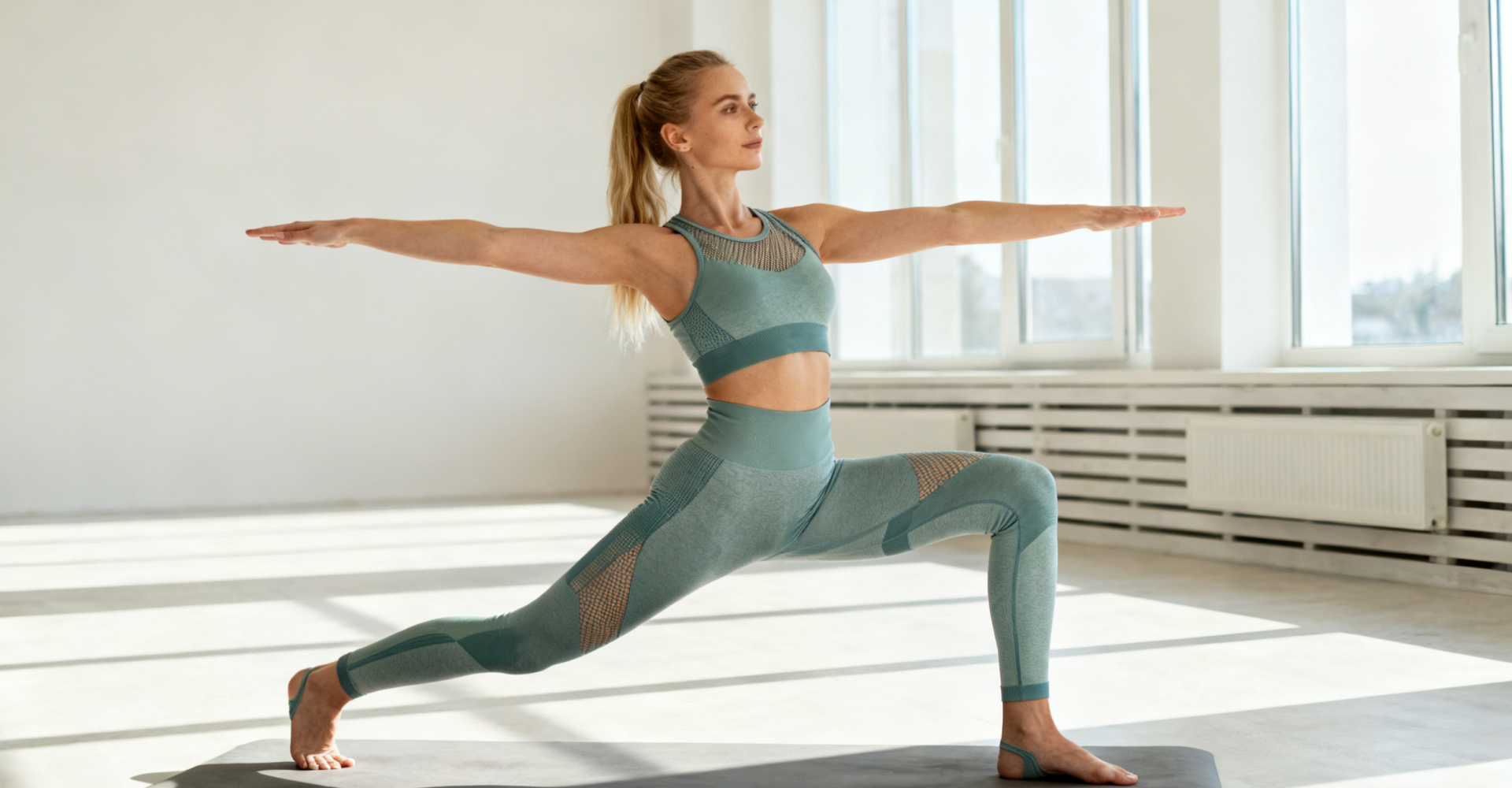
The Role of Certifications in Sustainable Wholesale Yoga Clothes
Certifications are the most reliable tool for verifying a supplier's claims about sustainability and ethics. They provide third-party validation that a manufacturer meets rigorous, globally recognized standards. Asking a supplier for their certifications is a critical step in your due diligence.
Key certifications in this area include:
- Fair Trade Certified™: This certification focuses on empowering workers and protecting the environment. For apparel, it ensures that factories provide safe working conditions and that workers receive an additional sum of money—the Fair Trade Community Development Fund—to invest in community projects of their choice. It prohibits child and forced labor and promotes gender equality.
- SA8000® Standard: This is a leading social certification standard for decent work. It provides a comprehensive framework that measures performance in eight key areas: child labor, forced labor, health and safety, freedom of association, discrimination, disciplinary practices, working hours, and remuneration. It is based on international human rights norms and ILO conventions.
- B Corp Certification: This certification signals a company's commitment to balancing purpose and profit. Certified B Corporations are legally required to consider the impact of their decisions on their workers, customers, suppliers, community, and the environment. The rigorous assessment evaluates a company's overall social and environmental performance.
- Global Recycled Standard (GRS): This standard verifies the recycled content in a product and also ensures that responsible social and environmental practices were used in its production.
By partnering with certified suppliers, you not only gain assurance of their practices but also demonstrate a credible commitment to sustainability and ethics to your customers.
Fostering Strong Partnerships with Wholesale Yoga Clothes Suppliers
Choosing a wholesale yoga clothes supplier is not a one-time transaction; it’s the beginning of a crucial business relationship. A strong partnership is a two-way street, built on trust, communication, and mutual respect. The right supplier will act as an extension of your team, offering support and expertise that helps your brand grow. In turn, being a reliable and communicative partner helps ensure you receive the best service and quality. This collaborative approach is fundamental to navigating the challenges of the apparel industry and achieving long-term success.
The Value of Excellent Customer Support for Wholesale Yoga Clothes Businesses
In the B2B world, excellent customer service is not just a bonus—it's a strategic necessity. A supplier's customer support team is your primary point of contact for resolving issues, tracking orders, and getting answers to critical questions. A responsive, knowledgeable, and proactive support team can be the difference between a smooth production process and a series of frustrating delays.
Here's why strong customer support is so valuable:
- Problem Resolution: Issues are inevitable in manufacturing, from shipping delays to minor quality discrepancies. A supplier with great customer service will address these problems promptly and professionally, taking responsibility and working with you to find a solution.
- Clear Communication: A good support team provides regular updates and maintains open channels of communication. This transparency builds trust and helps you manage your own business operations more effectively. Whether you're working across time zones or language barriers, clear and consistent communication is key.
- Building Trust: When a supplier invests in a dedicated and helpful support team, it signals that they value their clients' business. This fosters a sense of partnership and encourages long-term loyalty.
Before committing to a supplier, test their customer service. Note how quickly and thoroughly they respond to your initial inquiries. A professional partner will be responsive and transparent from the very beginning.
Building Long-Term Relationships with Wholesale Yoga Clothes Manufacturers
Viewing your supplier as a long-term partner rather than a transactional vendor can unlock significant benefits for your brand. A strong relationship fosters mutual growth, stability, and trust. Suppliers are more likely to offer better pricing, flexible terms, and prioritize your orders when they see you as a loyal and reliable partner.
Key strategies for building a lasting partnership include:
- Be a Good Partner: Just as you have expectations for your supplier, they have them for you. Pay invoices on time, provide clear and detailed specifications, and communicate respectfully. Being a reliable client encourages your manufacturer to go the extra mile for you.
- Share Your Vision: Communicate your brand's long-term goals and growth plans. When a manufacturer understands your vision, they can offer more strategic advice on materials, trends, and production methods to help you succeed.
- Provide Constructive Feedback: Regularly share feedback, both positive and negative. This helps your supplier understand what they're doing well and where they can improve, strengthening the quality of your products over time.
- Visit in Person (If Possible): Meeting your manufacturing team face-to-face can solidify the relationship. It shows a level of commitment and helps bridge cultural or communication gaps.
A long-term partnership moves beyond simple transactions to become a collaborative effort, where both parties are invested in each other's success.
Assessing Reputation and References of Potential Wholesale Yoga Clothes Partners
Before you finalize a partnership, it's crucial to conduct thorough due diligence on your potential supplier's reputation. A company's track record is a strong indicator of its reliability and quality.
Here's how to effectively assess a supplier's reputation:
- Ask for Client References: Reputable suppliers should be willing to provide references from other clients, ideally businesses in a similar product category. Don't just collect the names; schedule a phone call to have a candid conversation.
- Ask Targeted Questions: When speaking with references, go beyond a simple "Do you recommend them?". Ask specific questions about their experience:
- "How long have you worked with this supplier?"
- "Have they consistently met deadlines?"
- "How did they handle any quality control issues that arose?"
- "How would you describe their communication and responsiveness?"
- Search for Online Reviews and Industry Presence: Look for reviews on B2B platforms, Google, and industry forums. A lack of online presence or consistently negative feedback can be a red flag. Also, check if they participate in industry trade shows, which can be a sign of a well-established and credible business.
- Verify Business Credentials: Confirm that the supplier has up-to-date business licenses and relevant certifications. This helps ensure you are dealing with a legitimate and compliant operation.
Thoroughly vetting a supplier’s reputation protects you from potential risks and gives you the confidence that you are partnering with a trustworthy and capable manufacturer.
Beyond Basics: Market Trends and Inclusivity in Wholesale Yoga Clothes
In the fast-evolving world of fashion, staying relevant is key to long-term success. A great wholesale supplier does more than just produce quality garments; they are attuned to the pulse of the market. They understand that yoga wear is no longer confined to the studio and that modern consumers demand products that reflect their diverse bodies and lifestyles. Partnering with a forward-thinking supplier ensures your brand can adapt to these crucial trends, capturing a broader audience and securing a competitive edge.
Adapting to Athleisure and Lifestyle Trends in Wholesale Yoga Clothes
The line between activewear and everyday fashion has blurred, giving rise to the powerful "athleisure" trend. Consumers now demand yoga clothes that are not only functional for a workout but also stylish and comfortable enough for running errands, meeting friends, or working from home. The global athleisure market is booming, projected to reach over $900 billion by 2034, making it a critical trend for any yoga apparel brand.
This shift means your product offerings should be versatile. Look for suppliers who understand this hybrid market and can provide:
- Fashion-Forward Designs: This includes on-trend colors, contemporary silhouettes, and stylish details that appeal to a broader lifestyle audience. In 2025, trends point towards nature-inspired neutral tones like olive green and clay brown, as well as versatile, multi-functional pieces.
- Comfort-Driven Fabrics: Materials should offer performance features like moisture-wicking and stretch but also have a soft, luxurious hand-feel suitable for all-day wear.
- Versatile Pieces: Think beyond basic leggings and tops. Your supplier should be able to produce items like joggers, hoodies, and stylish layers that can easily transition from the mat to the street.
A supplier who is in tune with these trends will have in-house designers or a product development team that can offer insights into what’s current and what’s next, helping you create collections that resonate with the modern consumer.
The Importance of Size Inclusivity in Wholesale Yoga Clothes Offerings
The yoga community is beautifully diverse, and your clothing line should reflect that. Size inclusivity is no longer a niche consideration but a moral and business imperative. Offering a wide range of sizes demonstrates that your brand is welcoming to all body types, fostering a sense of belonging and building powerful brand loyalty.
The business case for inclusivity is just as strong. The global plus-size clothing market is valued at hundreds of billions of dollars and continues to grow rapidly. By ignoring this segment, brands are leaving significant revenue on the table and alienating a huge portion of the population.
When selecting a supplier, prioritize partners who are genuinely committed to and equipped for size-inclusive manufacturing. This means they should:
- Offer Extended Sizing: A truly inclusive range goes beyond XL and should extend to 3X or higher.
- Understand Plus-Size Grading: Creating larger sizes is not as simple as scaling up a smaller pattern. A knowledgeable manufacturer understands the nuances of plus-size grading, ensuring a proper and flattering fit for different body proportions.
- Showcase Diversity in Their Marketing: A supplier who practices what they preach will often feature models of various sizes in their own marketing materials, indicating a genuine commitment to inclusivity.
By partnering with a manufacturer who champions size diversity, you can create a brand that empowers all individuals on their wellness journey and taps into a significant, underserved market. This isn't just good ethics—it's smart business.
Frequently Asked Questions (FAQ)
1. What are the most important qualities to look for in a wholesale yoga clothes supplier? The most critical qualities are product quality (fabric and workmanship), ethical and sustainable manufacturing practices, robust customization and production capabilities, and strong, reliable communication. A great supplier acts as a partner who is invested in your brand’s success.
2. How can I verify a supplier's quality before placing a large order? Always start by requesting samples to physically assess the fabric, stitching, fit, and overall construction. Additionally, ask for proof of third-party certifications like OEKO-TEX® STANDARD 100 or GOTS, which validate their claims about quality, safety, and sustainability.
3. What is the difference between private label (ODM) and full custom (OEM) manufacturing? Private label (ODM) allows you to select from a manufacturer's existing designs and customize them with your branding, colors, or minor tweaks. It's faster and requires less investment. Full custom (OEM) involves you providing a unique design and tech pack for the manufacturer to produce exclusively for you. It offers complete creative control but requires more time and a larger budget.
4. Why is size inclusivity important when choosing a supplier? Size inclusivity is crucial for both ethical and business reasons. It ensures your brand is welcoming to all body types, which builds strong customer loyalty. It also allows you to tap into the large and growing plus-size market, which many brands overlook. A good supplier will have experience in grading patterns for a wide range of sizes to ensure a proper fit for every body.
5. How long does it typically take to produce a wholesale order of yoga clothes? Lead times can vary significantly but generally range from 45 to 90 days. This timeline includes fabric sourcing (10-15 days), sample creation and approval (1-2 weeks per round), bulk production (30-45 days), and shipping. Clear communication and timely approvals are key to keeping your production on schedule.
Conclusion
Selecting the right wholesale yoga clothes supplier is one of the most impactful decisions you will make for your brand. By carefully considering factors like performance and quality, customization capabilities, sustainability, and the potential for a strong partnership, you empower yourself to make informed choices and secure high-quality apparel that resonates with your target market.
When you partner with a supplier who aligns not only with your business needs but also with your vision and values, you do more than just source products. You elevate your brand, build deep-seated customer loyalty, and contribute to a more sustainable and inclusive yoga community. Ultimately, the success of your brand in the competitive yoga market hinges on transforming a simple sourcing transaction into a thriving, long-term collaboration built on shared goals and mutual trust.